Showing posts with label freezing pipes. Show all posts

Monday, January 18, 2016

Precautions To Prevent Water Pipes From Freezing

With forecast lows hitting our area over the next few days, there is the
potential of many water pipes freezing and bursting. Please review the below tips to help minimize the possibility or damage.

  • Shut off outside hose facets and drain 
  • Purchase a cover for the outside hose faucet - they are cheap and very effective 
  • Locate the main water shut off for your home so that if a pipe bursts, you can shut off the water thus stopping the leak and minimizing damage
  • Open cabinet doors in the kitchen and bathrooms to let heat in and around the plumbing.  Especially important if some of these pipes run up against outside walls.
  • Keep any garage doors closed if there are water pipes or supply lines in the garage.  If attached to home, consider opening the door to the garage to allow home heat to enter the garage.  While your heating bill may take a hit, the cost will not compare to costly repairs from water damage
  • DO NOT use kerosene or other fuel fed heating devices in the garage to heat it
  • Let water drip from faucets served by exposed pipes. Running water through the pipe (even at a dribble) can help prevent pipes from freezing
  • DO NOT use a blow torch or any other open flame to try and thaw out potentially frozen pipes!
  • Keep the thermostat set to no lower than 55° F during the evening hours or if you will be leaving the home for an extended period of time (day or night)



Friday, January 15, 2016

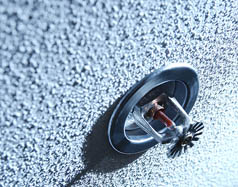
Preventing Frozen Fire Sprinkler Pipes

Automatic fire sprinkler systems have enjoyed an enviable record of protecting life and property for over 100 years.  Since early 2004, Council Bill #25-03 requires fire sprinkler systems be installed in all new single-family homes in Montgomery County.  Several years prior required fire sprinklers in newly built apartment/condo type residential homes as well as townhouses.  

Because of this critical life safety initiative, MCFRS knows there are a good number of single and multi family homes, along with commercial buildings, that are equipped with life-saving fire sprinkler systems. 

All people who live in homes with fire sprinklers, along with apartment/commercial building owners and management companies, need to take time ensure that these systems are protected against pipes freezing.  

Preventing Frozen Fire Sprinkler Pipes 
  • If fire sprinkler piping is exposed to outside temperatures, it should be heated or adequately insulated. 
  • Keep doors, garage doors, windows and vents closed when not in use as resulting drafts might allow cold air to contact the piping. Repair any broken windows, doors or any cracks in exterior walls that may be near any fire sprinkler piping.
  • Most fire sprinkler pipes are within the walls and/or ceilings of a home. Cold air can possibly enter these hidden spaces through small gaps in the exterior sheathing and insulation and find its way directly onto the fire sprinkler pipes. Try to find and repair these gaps.
  • In attics, the pipes should be as close to the ceiling as possible with insulation placed over the top of the sprinkler pipe.  Inspect the sprinkler pipes that are in the attic and if you see pipes exposed then they need to be insulated immediately.
  • Adequate heat should be provided to all areas by use of the existing heating system of the home rather than other means such as space heaters.
  • Do not use temporary heating equipment such as kerosene space heaters or other un-vented portable fuel-burning space heaters as these heaters can increase the risk of fire and potential health hazards such as Carbon Monoxide poisoning.
  • Do not use torches or other open flame devices to thaw pipes or other equipment.
  • In case a pipe bursts ensure all family members know the location of the water shut-off valve and the proper method to turn it off to minimize damage.
  • A lot of times expanding ice within the pipe can cause a crack but the ice will block the flow of water while it is frozen. In this situation, the water damage may not be apparent until after the ice melts and water is able to flow out of the cracked portion.

Wednesday, February 11, 2015

Preventing Frozen Fire Sprinkler Pipes

Automatic fire sprinkler systems have enjoyed an enviable record of protecting life and property for over 100 years.  Since early 2004, Council Bill #25-03 requires fire sprinkler systems be installed in all new single-family homes in Montgomery County.  Several years prior required fire sprinklers in newly built apartment/condo type residential homes as well as townhouses.  

Because of this critical life safety initiative, MCFRS knows there are a good number of single and multi family homes, along with commercial buildings, that are equipped with life-saving fire sprinkler systems. 

All people who live in homes with fire sprinklers, along with apartment/commercial building owners and management companies, need to take time to ensure that these systems are protected against pipes freezing.  

Preventing Frozen Fire Sprinkler Pipes 
  • If fire sprinkler piping is exposed to outside temperatures, it should be heated or adequately insulated. 
  • Keep doors, garage doors, windows and vents closed when not in use as resulting drafts might allow cold air to contact the piping. Repair any broken windows, doors or any cracks in exterior walls that may be near any fire sprinkler piping.
  • Most fire sprinkler pipes are within the walls and/or ceilings of a home. Cold air can possibly enter these hidden spaces through small gaps in the exterior sheathing and insulation and find its way directly onto the fire sprinkler pipes. Try to find and repair these gaps.
  • In attics, the pipes should be as close to the ceiling as possible with insulation placed over the top of the sprinkler pipe.  Inspect the sprinkler pipes that are in the attic and if you see pipes exposed then they need to be insulated immediately.
  • Adequate heat should be provided to all areas by use of the existing heating system of the home rather than other means such as space heaters.
  • Do not use temporary heating equipment such as kerosene space heaters or other un-vented portable fuel-burning space heaters as these heaters can increase the risk of fire and potential health hazards such as Carbon Monoxide poisoning.
  • Do not use torches or other open flame devices to thaw pipes or other equipment.
  • In case a pipe bursts ensure all family members know the location of the water shut-off valve and the proper method to turn it off to minimize damage.
  • A lot of times expanding ice within the pipe can cause a crack but the ice will block the flow of water while it is frozen. In this situation, the water damage may not be apparent until after the ice melts and water is able to flow out of the cracked portion.

Tuesday, February 10, 2015

Precautions To Prevent Water Pipes From Freezing

Looks like another round of forecasted freezing lows hitting our area over the next several days. Again, we expect the potential of many water pipes freezing and bursting. Please review the below tips to help minimize the possibility or damage.

  • Shut off outside hose facets and drain 
  • Purchase a cover for the outside hose faucet - they are cheap and very effective 
  • Locate the main water shut off for your home so that if a pipe bursts, you can shut off the water thus stopping the leak and minimizing damage
  • Open cabinet doors in the kitchen and bathrooms to let heat in and around the plumbing.  Especially important if some of these pipes run up against outside walls.
  • Keep any garage doors closed if there are water pipes or supply lines in the garage.  If attached to home, consider opening the door to the garage to allow home heat to enter the garage.  While your heating bill may take a hit, the cost will not compare to costly repairs from water damage
  • DO NOT use kerosene or other fuel fed heating devices in the garage to heat it
  • Let water drip from faucets served by exposed pipes. Running water through the pipe (even at a dribble) can help prevent pipes from freezing
  • DO NOT use a blow torch or any other open flame to try and thaw out potentially frozen pipes!
  • Keep the thermostat set to no lower than 55° F during the evening hours or if you will be leaving the home for an extended period of time (day or night)

Friday, January 9, 2015

Preventing Frozen Fire Sprinkler Pipes

Automatic fire sprinkler systems have enjoyed an enviable record of protecting life and property for over 100 years.  Since early 2004, Council Bill #25-03 requires fire sprinkler systems be installed in all new single-family homes in Montgomery County.  Several years prior required fire sprinklers in newly built apartment/condo type residential homes as well as townhouses.  

Because of this critical life safety initiative, MCFRS knows there are a good number of single and multi family homes, along with commercial buildings, that are equipped with life-saving fire sprinkler systems. 

All people who live in homes with fire sprinklers, along with apartment/commercial building owners and management companies, need to take time ensure that these systems are protected against pipes freezing.  

Preventing Frozen Fire Sprinkler Pipes 
  • If fire sprinkler piping is exposed to outside temperatures, it should be heated or adequately insulated. 
  • Keep doors, garage doors, windows and vents closed when not in use as resulting drafts might allow cold air to contact the piping. Repair any broken windows, doors or any cracks in exterior walls that may be near any fire sprinkler piping.
  • Most fire sprinkler pipes are within the walls and/or ceilings of a home. Cold air can possibly enter these hidden spaces through small gaps in the exterior sheathing and insulation and find its way directly onto the fire sprinkler pipes. Try to find and repair these gaps.
  • In attics, the pipes should be as close to the ceiling as possible with insulation placed over the top of the sprinkler pipe.  Inspect the sprinkler pipes that are in the attic and if you see pipes exposed then they need to be insulated immediately.
  • Adequate heat should be provided to all areas by use of the existing heating system of the home rather than other means such as space heaters.
  • Do not use temporary heating equipment such as kerosene space heaters or other un-vented portable fuel-burning space heaters as these heaters can increase the risk of fire and potential health hazards such as Carbon Monoxide poisoning.
  • Do not use torches or other open flame devices to thaw pipes or other equipment.
  • In case a pipe bursts ensure all family members know the location of the water shut-off valve and the proper method to turn it off to minimize damage.
  • A lot of times expanding ice within the pipe can cause a crack but the ice will block the flow of water while it is frozen. In this situation, the water damage may not be apparent until after the ice melts and water is able to flow out of the cracked portion.

Tuesday, January 6, 2015

Precautions To Prevent Water Pipes From Freezing

With forecasted record lows hitting our area over the next several days, we expect the potential of many water pipes freezing and bursting. Please review the below tips to help minimize the possibility or damage.

  • Shut off outside hose facets and drain 
  • Purchase a cover for the outside hose faucet - they are cheap and very effective 
  • Locate the main water shut off for your home so that if a pipe bursts, you can shut off the water thus stopping the leak and minimizing damage
  • Open cabinet doors in the kitchen and bathrooms to let heat in and around the plumbing.  Especially important if some of these pipes run up against outside walls.
  • Keep any garage doors closed if there are water pipes or supply lines in the garage.  If attached to home, consider opening the door to the garage to allow home heat to enter the garage.  While your heating bill may take a hit, the cost will not compare to costly repairs from water damage
  • DO NOT use kerosene or other fuel fed heating devices in the garage to heat it
  • Let water drip from faucets served by exposed pipes. Running water through the pipe (even at a dribble) can help prevent pipes from freezing
  • DO NOT use a blow torch or any other open flame to try and thaw out potentially frozen pipes!
  • Keep the thermostat set to no lower than 55° F during the evening hours or if you will be leaving the home for an extended period of time (day or night)