Wednesday, January 7, 2015

Fireplace and Wood Burning Safety

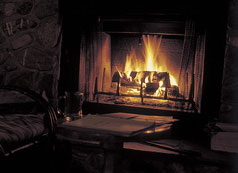
Just when we thought it could not get any colder -- it will!  No doubt many of you are firing up the wood burning stove or fireplace in your home.  Each year, we continue to run too many fires as a result of improperly discarded fireplace and wood stove ashes!

Please take a moment to review the below related safety tips to help make sure you enjoy your fireplace or wood burning stove safely.

Fireplace and wood-stove ashes retain enough heat to ignite other combustible materials for several days after a fire. It is important to learn the following ways to dispose of fireplace and wood-stove ashes properly:
  • DO NOT discard your ashes into any combustible container like a paper or plastic bag, a cardboard box, or a plastic trash can.
  • DO put ashes into a non-combustible metal container with a lid.
  • DO pour water into the container to make sure the ashes are cool.
  • DO keep your can OUTSIDE the home, away from combustibles.
  • DO teach all family members to be safe with ashes from your fireplace or wood stove.
As always, please make sure you test your smoke alarms monthly and replace batteries twice a year. Practice and plan a family home escape plan.

Tuesday, January 6, 2015

Precautions To Prevent Water Pipes From Freezing

With forecasted record lows hitting our area over the next several days, we expect the potential of many water pipes freezing and bursting. Please review the below tips to help minimize the possibility or damage.

  • Shut off outside hose facets and drain 
  • Purchase a cover for the outside hose faucet - they are cheap and very effective 
  • Locate the main water shut off for your home so that if a pipe bursts, you can shut off the water thus stopping the leak and minimizing damage
  • Open cabinet doors in the kitchen and bathrooms to let heat in and around the plumbing.  Especially important if some of these pipes run up against outside walls.
  • Keep any garage doors closed if there are water pipes or supply lines in the garage.  If attached to home, consider opening the door to the garage to allow home heat to enter the garage.  While your heating bill may take a hit, the cost will not compare to costly repairs from water damage
  • DO NOT use kerosene or other fuel fed heating devices in the garage to heat it
  • Let water drip from faucets served by exposed pipes. Running water through the pipe (even at a dribble) can help prevent pipes from freezing
  • DO NOT use a blow torch or any other open flame to try and thaw out potentially frozen pipes!
  • Keep the thermostat set to no lower than 55° F during the evening hours or if you will be leaving the home for an extended period of time (day or night)


Monday, January 5, 2015

Heating Your Home Safely - Space Heaters

Looks like things are going to get a little "chilly" around here the next several days!

With cold weather upon us, it is a good time to remind everyone of some simple steps to help prevent a heating related fire in your home.  Portable space heaters can quickly warm up a cold room, but they have been the cause of many serious home fires. Keep fixed and portable space heaters at least three feet from anything that can burn and follow all manufacturer instructions.

Below, please find a short video as well as safety tips related to space heaters.  According to the United States Fire Administration, space heaters cause one-third of home heating fires and 4 out of 5 home heating fires deaths.


Electric Space Heaters
  • Place heaters at least three feet away from objects such as bedding, furniture and drapes. Never use heaters to dry clothes or shoes. Do not place heaters where towels or other objects could fall on the heater and start a fire. 
  • If you use an electric heater, be sure not to overload the circuit. Only use extension cords which have the necessary rating to carry an amp load. TIP: Choose an extension cord the same size or larger than the appliance electrical cord. 
  • Be certain that your heater is placed on a level, hard and nonflammable surface, not on rugs or carpets. 
  • Use heaters on the floor. Never place heaters on furniture, since they may fall, dislodging or breaking parts in the heater, which could result in a fire or shock hazard. 
  • Keep all heaters in safe working conditions. Never operate a defective heater. 
  • Avoid using electrical space heaters in bathrooms or other areas where they may come in contact with water. 
While we do not recommend using Kerosene or propane fueled space heaters we provide the below tips: 
  • Be sure your heater is in good working condition. Inspect exhaust parts for carbon buildup. Be sure the heater has an emergency shut off in the event the heater is tipped over. 
  • Never use fuel burning appliances without proper room venting. Burning fuel (coal, kerosene, or propane, for example) can produce deadly fumes. 
  • Use ONLY the fuel recommended by the heater manufacturer. NEVER introduce a fuel into a unit not designed for that type fuel. 
  • Keep kerosene, or other flammable liquids stored in approved metal containers, in well ventilated storage areas, outside of the house. 
  • NEVER fill the heater while it is operating or hot. When refueling an oil or kerosene unit, avoid overfilling. DO NOT use cold fuel for it may expand in the tank as it warms up. 
  • Refueling should be done outside of the home (or outdoors). Keep children, pets and clothing away from heaters. 
  • When using a fuel burning appliance in the bedroom, be sure there is proper ventilation to prevent a buildup of carbon monoxide.

Friday, January 2, 2015

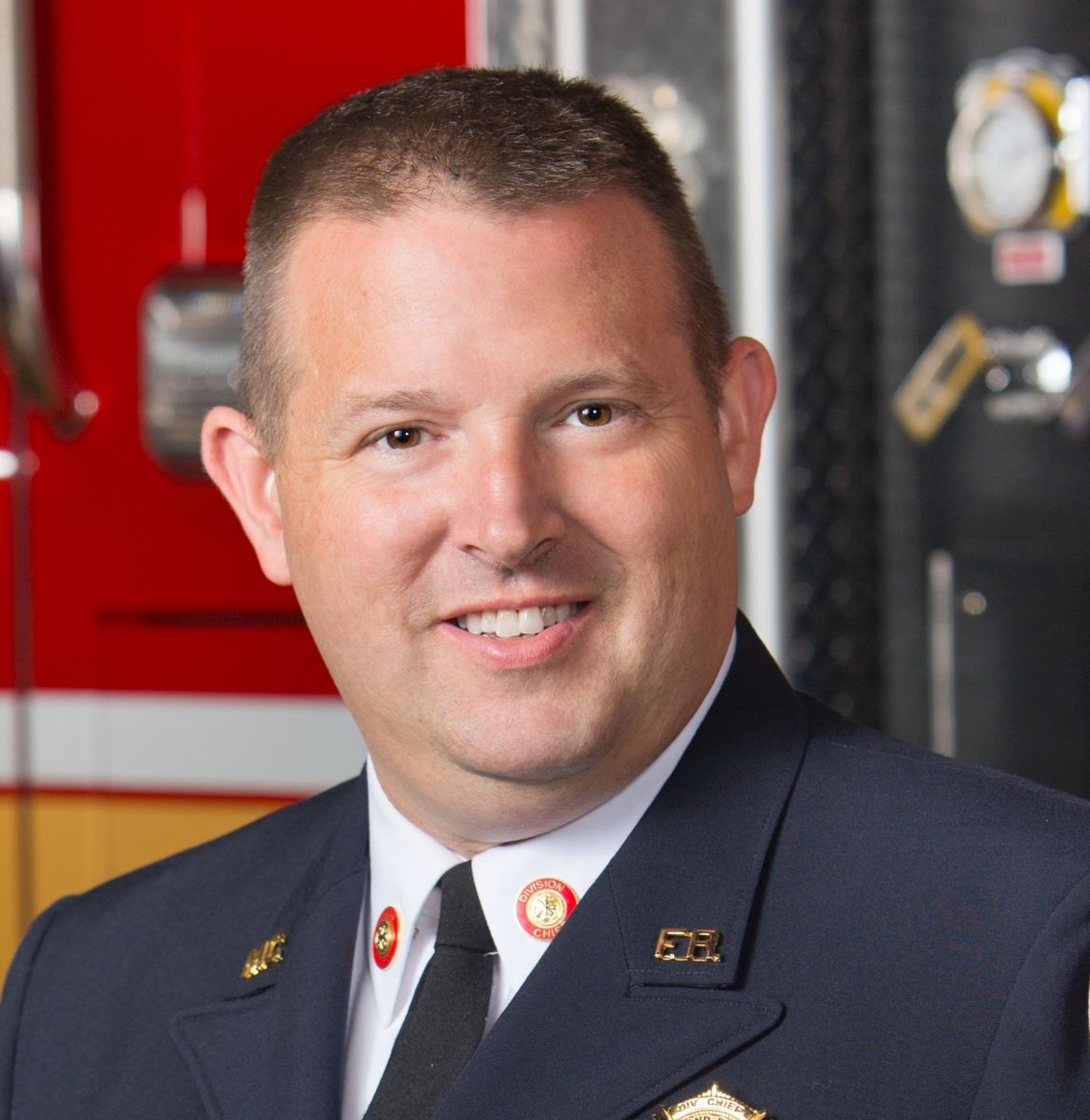
Division Chief Scott Goldstein To Serve As Acting Fire Chief

Montgomery County Executive Isiah Leggett selected Division Chief Scott Goldstein to serve as the Montgomery County Fire and Rescue Service (MCFRS) Acting Fire Chief, effective January 1, 2015. Most recently Chief Goldstein was assigned as the Operations Division Chief responsible for all field delivery of fire, medical and emergency response services to a community of just over one (1) million citizens spread out over 500 square miles.

The Operations Division is the largest Division within MCFRS and provides nearly 300 daily staffing positions spread over Montgomery County's 37 fire and rescue stations. Daily staffing includes over 50 pieces of large fire and rescue apparatus, 40 EMS transport units, and several dozen specialized and support units. The Department responds to more than 110,000 emergency calls for service annually with a departmental budget of about $218 million dollars.

Prior to his assignment as the Division Chief for Operations, Chief Goldstein served as the Special Operations Section Chief, from April 2009 to May 2013. The Special Operations Section includes; hazardous materials, technical rescue, water rescue, and bomb squad response, interoperability radio cache, Emergency Operations Center liaison and staffing, as well as fire and rescue involvement in all mass gatherings/special events. In Chief Goldstein’s over 23 years with MCFRS he has also been assigned as the Operations Chief Executive Officer, Field Operations Battalion Chief, Deputy Safety Officer, shift supervisor and fire fighter.

Chief Goldstein is actively involved in the Metropolitan Washington Council of Governments Fire/Police Chiefs subcommittees and was the co-chair of the Law Enforcement and EMS working group that developed a model policy on intergrated operations of law enforcement and fire and rescue personnel during law enforcement incidents.

Since 1990, Chief Goldstein has been a member of the Maryland Urban Search and Rescue Task Force. He has been an Assistant Task Force Leader, Logistics Manager, and Logistics Specialist. Chief Goldstein was instrumental in equipment research and purchasing and the development of its task force cache. He responded as a member of the FEMA Incident Support Team to the Oklahoma City bombing and Hurricane Opal and deployed as a member of MD‑TF1 to the Northridge Earthquake, Hurricanes Charley, Fran, Floyd, Marilyn, and George and to the Pentagon terrorist incident on September 11, 2001.

Chief Goldstein holds a Bachelor of Science from the University of Maryland University College and is presently enrolled in the Naval Post Graduate School working towards a Master Degree in Homeland Security with a planned graduation in December 2015.

He, his wife and children reside in Montgomery County.

Thursday, January 1, 2015

Happy New Year! Time to "Retire" Your Old Smoke Alarms?

Courtesy of NFPA
Happy New Year!  Looking for a good resolution for 2015?

I have a good one for you  Retire your old smoke alarms if they are 10 years of age or older.

Once your alarms reach the ripe old age of 10, they are eligible for "retirement" and need to be replaced by a new generation of smoke alarms.

Even if your 10 year old, or older, smoke alarm still sounds when you push the test button, it should be replaced.

To learn more about smoke alarms, please go here: Smoke Alarms

To learn how to properly dispose of a smoke alarm, please go here: How to recycle/dispose of smoke alarms

For those with battery powered alarms, please go here to learn about Maryland's Updated Smoke Alarm Law.

Stay Safe!

BD