Showing posts with label after the storm safety tips. Show all posts

Friday, June 3, 2016

It’s Hurricane And Summer Storm Season! Are You Ready?

Our main theme for today’s 101 Days of Summer Safety is Storm Preparedness. This is especially important in light of the potential for significant storms this weekend (see graphic below).
National Weather Service graphic of weather for next 3 days

Please take a moment to review the important information, via our partners in safety at the Montgomery County Office of Emergency Management and Homeland Security, on what to do before, during and after a Hurricane or summer storm.

Also take a moment to sign up for Alert Montgomery, Montgomery County’s emergency warning system, to receive important notifications of weather watches, warnings and other emergency information. Go here to sign up: https://alert.montgomerycountymd.gov

Storm Preparedness Tips:

Before a Storm

·         Build an Emergency Supply Kit, which includes such items as non-perishable food, water, a battery-powered or hand-crank radio, extra flashlights and batteries.
·         Make a Family Emergency Plan. Your family may not be together when disaster strikes, so it is important to know how you will contact one another, how you will get back together and what you will do in case of an emergency.
·         Continually monitor the media (radio, TV or internet) – Be aware of storms which could impact your area.
·         Know how you will be warned in an emergency…Alert Montgomery, (NOAA Weather radios with a tone alert are a good option)
·         Ensure your home is ready. Bring in or secure outdoor items that could become projectiles in high wind.
·         Turn the refrigerator and freezer to the coldest setting in anticipation of a power outage. Open the door only when necessary and close quickly. Frozen food in a half-full freezer should remain safe for up to 24 hours, and in a full freezer, up to 48 hours.

During a Storm
·         Follow instructions and emergency advice from County officials or heed shelter or evacuation requests made through announcements on radio/television.
·         Keep an eye on the sky. Look for darkening skies, flashes of light or increasing wind. Listen for the sound of thunder. If you can hear thunder, you are close enough to be struck by lightning.
·         Blowing debris or the sound of an approaching tornado may alert you. Tornado danger signs include a dark, almost greenish sky; large hail; a large, dark, low-lying cloud or a loud roar, similar to a freight train.
·         Gather family members, bring pets indoors and have your emergency supply kit ready.
·         Close outside doors and window blinds, shades or curtains. Close all interior doors. Stay away from doors, windows and exterior walls. Stay in a shelter location (small interior room, closet, or hallway on the lowest level) until the danger has passed.
·         During lightning, do not use wired telephones, touch electrical appliances or use running water. Cordless or cellular telephones are safe to use.
·         During a power outage use flashlights and battery-powered lanterns for light. Avoid using candles which pose a fire risk.
·         Ensure a supply of water for sanitary purposes such as personal cleaning and flushing toilets. Fill a bathtub or other large container with the water. This is particularly important for those whose water runs off of an electrical system.
·         If your residence could flood, store valuable and personal papers in a waterproof container.
·         Do not walk through flowing water. Drowning is the number one cause of flood deaths. Six inches of swiftly moving water can knock you off your feet.
·         Stay indoors and limit travel to only absolutely necessary trips. Listen to radio/television for updates. Do not attempt to drive through a flooded road – you can become stranded or trapped.

After a Storm 
·         Stay off roads to allow emergency crews to clear roads and provide emergency assistance.
·         Help injured or trapped persons. Do not attempt to move seriously injured persons unless they are in immediate danger of death or further injury.
·         Use the telephone only for emergencies.
·         Use care around downed power lines. Assume a downed wire is a live wire.
·         Watch out for overhead hazards such as broken tree limbs, wires and other debris.
·         Avoid walking into flood waters. The water may be contaminated by oil, gasoline or raw sewerage, contain downed power lines or animals.
·         Look for hazards such as broken/leaking gas lines, damaged sewage systems, flooded electrical circuits, submerged appliances and structural damage. Leave the area if you smell gas or chemical fumes.
·         Clean everything that gets wet. For food, medicines and cosmetics; when in doubt, throw it out.
·         Make sure backup generators are well ventilated. Never use grills, generators or camping stoves indoors.
·         Call 311 (or 240-777-0311 from a cell phone or from a location outside of Montgomery County) to report downed trees on public property and for help with County services, or go to mc311.com. If wires are involved with the downed tree, if anyone is trapped, or the tree is blocking a roadway, call 9-1-1.

Remember to follow our 101 Days of Summer Safety on our various social media platforms using #mcfrsSOS

Tuesday, February 16, 2016

Clear Ice and Snow Off Your Cars Before Driving! Don't Forget Your Top!

Took a good ten minutes or so to clear a snow/ice off of my entire car this morning!

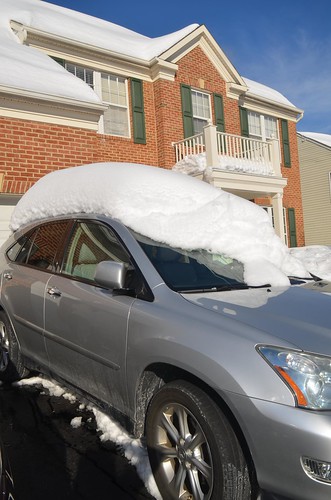
Be prepared: clear ice and snow off your car BEFORE you start driving. Snow left on top of the car can slide off and obstruct your vision and create an extremely hazardous situation for other drivers around you.

Below is a car that is ready for the road!

car with snow cleared off

Don't Forget Your Top!  If your car looks like the below photo, please consider using a broom to clear hard-to-reach snow on the roof top!

Conversely, if you see a vehicle with snow or ice on its roof, do not follow too closely in the event the ice/snow comes off of it. The result could be catastrophic.


car with snow on roof

Wednesday, January 27, 2016

Clear Ice and Snow Off Your Cars Before Driving! Don't Forget Your Top!

Be prepared: clear ice and snow off your car BEFORE you start driving. Snow left on top of the car can slide off and obstruct your vision and create an extremely hazardous situation for other drivers around you.

Below is a car that is ready for the road!

car with snow cleared off

Don't Forget Your Top!  If your car looks like the below photo, please consider using a broom to clear hard-to-reach snow on the roof top!

Conversely, if you see a vehicle with snow or ice on its roof, do not follow too closely in the event the ice/snow comes off of it. The result could be catastrophic.


car with snow on roof

Monday, January 25, 2016

Clear Ice and Snow Off Your Cars Before Driving!

Be prepared: clear ice and snow off your car BEFORE you start driving. Snow left on top of the car can slide off and obstruct your vision and create an extremely hazardous situation for other drivers around you.

Below is a car that is ready for the road!

car with snow cleared off

Tuesday, October 30, 2012

After the Storm: Important Safety Tips


Be careful of standing and running water. Residents are urged to continue to be alert and prepared for possible flash flooding, storm surges and areas of standing water over the next 24-48 hours as the after effects of Hurricane Sandy continue to impact the area. Never drive through moving water or flooded areas. As little as six inches of water on a road can cause most drivers to lose control of their vehicle

Clear storm drains of leaves and debris so water can drain properly. All those leaves in the street following the storm have the potential to clog storm drains resulting in standing water on roadways.

Keep generators outside. As gasoline burns to fuel the generator, carbon monoxide (CO) gas is released into the air and poses a threat of carbon monoxide poisoning if the generator is not placed outdoors in a well-ventilated area. Generators should never be placed in a garage, a porch or near a ventilating system or open windows. Most generators are also not weatherproof and can pose a risk of shock when used if it is raining. Be sure that your home is equipped with carbon monoxide detectors on all levels of the home.

Use extreme caution when cleaning up storm damage on your property. Downed or damaged power lines can send electrical currents through tree branches and metal fences, so survey the area carefully - especially if you'll be using a pruning pole or chainsaw. Do not remove fallen tree limbs or other debris from power lines. Tree limbs and other objects can conduct electricity and carry a current strong enough to cause serious injury or death.
  • Don’t drive over downed lines and treat all wires – even those that are hanging or down – as if they are “live” (energized).
  • Keep children and pets away from areas where power lines may have fallen.
Check your wiring. If you have experienced significant damage or flooding, you will need a professional technician to check all wiring in the home for shock and fire hazards. Never touch electrical wires or outlets that are still wet. If appliances are water damaged, have them inspected by a qualified technician and then either refurbish or replace.

There’s safety in numbers. Install at least one smoke alarm on each floor of your house or residence and outside all sleeping areas. MCFRS recommends installing smoke alarms inside each sleeping area if sleeping with the door closed.

Candle caution. Never use candles for lighting if you have lost your power. This poses an extreme risk of fire and residents are urged to use flashlights whenever possible.

Restock and replenish your Home Emergency Kit now before the cold weather arrives. Remember, you can never be too prepared and Hurricane Season does not officially end until November 30th.

Residents Need to be Especially Careful When Using Generators During Power Outages

Fire officials are reminding residents of the following important safety tips when using a generator:   

- Never operate a generator in your home, garage, basement or any other enclosed area. The exhaust from a generator contains high levels of Carbon Monoxide (CO) which can build up quickly and lead to serious injury or death. 

- Proper ventilation is critical. A generator needs to be at least 15 to 20 feet from an enclosed area and away from any doors, windows and fresh air intakes where exhaust fumes and carbon monoxide can enter the home.

- Never plug your generator into an outlet, and don’t connect a generator directly into your home’s main fuse box or circuit panel.

- Make sure carbon monoxide detectors and smoke alarms have battery back-ups, are installed and are working properly. 

- Never fuel a generator while it is running. Turn off the generator and let it cool before refueling. 

- Keep generators away from all open windows – including your neighbors’ – so deadly exhaust does not enter.

- Always thoroughly read all manufacturer instructions. This can avoid dangerous shortcuts and assist in ensuring the safe operation of your generator. 
 
How to recognize a Carbon Monoxide Emergency:  Exposure to CO can cause loss of consciousness and death. The most common symptoms of CO poisoning are headache, dizziness, weakness, nausea, vomiting, chest pain and confusion. People who are sleeping or who have been drinking alcohol can die from CO poisoning before ever having symptoms. If a CO poisoning is suspected, get to fresh air immediately and seek medical attention.