Showing posts with label carbon monoxide. Show all posts

Wednesday, July 27, 2016

Carbon Monoxide Incident In Rockville

Gaither Rd. CO Poisoning
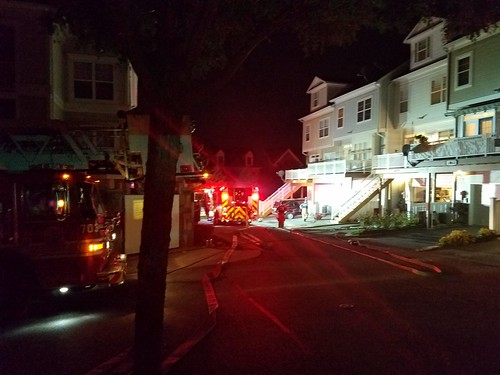
Earlier this morning at approximately 3 a.m. in the 1000 block of Gaither Road in Rockville, MCFRS units responded for a reported unknown odor. Units arrived on scene to find elevated levels of Carbon Monoxide (CO) in a four story townhouse as a result of a car running in the garage for several hours,

Elevated readings in two additional homes were found as well. Eight people total were impacted. EMS transported two adults and three children to an area hospital with low levels of CO poisoning for a check up.

MCFRS would like to remind all residents that CO can be a silent killer. Please review the below information for more.


Accessible information can be found HERE.

Sunday, July 10, 2016

Portable Generators And Carbon Monoxide Poisoning

graphic highlighting potential dangers using portable generatorsPortable generators can be a tremendous resource to have when power to your home is out. But they can also be dangerous if not used properly.

This past week, four workers were operating a portable generator inside a house in an unventilated area and had to be rushed to area hospitals suffering from Carbon Monoxide (CO) poisoning.

As we all know, Summer brings severe weather that at times will cause power outages. More and more residents are relying on portable generators to provide power to their homes during these times. Please take a moment to review the below safety tips. If you do not have a portable generator but know someone who does, please make sure you share this important information!

1. Make sure your home has a carbon monoxide alarm. As with smoke alarms, install a carbon monoxide alarm on every level of your home, especially near sleeping areas, and keep them at least 15 feet away from fuel-burning appliances.

2. Carbon monoxide alarms are not substitutes for smoke alarms, and vice versa. Combination smoke and carbon monoxide alarms are available.

3. Never use a grill, generator or camping stove inside your home, garage or near a window. The generator should be at least 20 feet clear of any garage, window or vent.

4. Follow the instructions that come with your generator. Locate the unit outdoors and far from doors, windows, and vents that could allow CO to come indoors.
 
4. If you need to warm a vehicle, remove it from the garage immediately after starting it. Don’t leave a car, SUV or motorcycle engine running inside a garage.

5. If using gasoline-powered devices, store gasoline in a locked location where children cannot access it. Keep only small quantities in an approved container that has child safety features.

6. Keep gasoline away from any source of heat, spark or flame. Even common household appliances such as water heaters and clothes dryers can start a fire. Be sure to store your gasoline away from anything that could ignite it.

7. Before refueling the generator, turn it off and let it cool down. Gasoline spilled on hot engine parts could ignite.
graphic highlighting potential dangers of carbon monoxide

Monday, January 25, 2016

IMPORTANT: Clear Snow From Your Furnace, Dryer and Hot Water Heater Vents To Prevent Carbon Monoxide Poisoning!

co vent pipe
Vent pipe on side of home. Intake
& exhaust
The Montgomery County Fire and Rescue Service, as well as our regional partners, have seen a continued number of carbon monoxide incidents and detector activations due to snow accumulation and build-up. As you head outside to dig out of your driveway and clear your sidewalks, there are some other places around your home you may have to clear.

A common problem is high snow drifts that block furnace vents and air intakes in some homes, predominantly those that have newer high-efficiency furnaces. New, high efficiency furnaces vent out the side of a home rather than up through the roof. These vents and air intakes must be kept clear of snow. If they are blocked, the carbon monoxide will go back into the home. Some newer high efficiency furnaces have automatic shut-off’s that shutdown the furnace when the vents are blocked, but not all of them. As a general rule you should keep a three-foot area clear around the vent and intake tubes. After any snowfall it is important to inspect the area around the furnace and hot water heater vents to ensure that snow and ice are not blocking the safe operation of these fuel burning devices. Homeowners should keep a three- foot area around the vents clear of snow, shrubs, or other potential obstructions. Heating and dryer vents should also be cleared of snow to prevent possible carbon monoxide poisoning. NEVER run generators in the home, garage or other enclosed spaces as carbon monoxide can rise to dangerous, if not fatal levels. If your CO alarm sounds, immediately evacuate to a safe location and call 9-1-1. 


photo of properly cleared vent

Saturday, January 23, 2016

Clear Snow From Your Vents

co vent pipe
Vent pipe on side of home. Intake
& exhaust
The Montgomery County Fire and Rescue Service has seen an increase in the number of carbon monoxide incidents and detector activations due to snow accumulation and build-up. As you head outside to dig out of your driveway and clear your sidewalks, there are some other places around your home you may have to clear.

A common problem is high snow drifts that block furnace vents and air intakes in some homes, predominantly those that have newer high-efficiency furnaces. New, high efficiency furnaces vent out the side of a home rather than up through the roof. These vents and air intakes must be kept clear of snow. If they are blocked, the carbon monoxide will go back into the home. Some newer high efficiency furnaces have automatic shut-off’s that shutdown the furnace when the vents are blocked, but not all of them. As a general rule you should keep a three-foot area clear around the vent and intake tubes. After any snowfall it is important to inspect the area around the furnace and hot water heater vents to ensure that snow and ice are not blocking the safe operation of these fuel burning devices. Homeowners should keep a three- foot area around the vents clear of snow, shrubs, or other potential obstructions. Heating and dryer vents should also be cleared of snow to prevent possible carbon monoxide poisoning. NEVER run generators in the home, garage or other enclosed spaces as carbon monoxide can rise to dangerous, if not fatal levels. If your CO alarm sounds, immediately evacuate to a safe location and call 9-1-1. 

Thursday, January 21, 2016

Carbon Monoxide Incident Involving Portable Generator

At approximately 6 pm last night, January 20, Paramedic Engine 732 and Medic 731 were dispatched to a townhouse on Earth Star Court in Gaithersburg for a report of an unconscious person. Upon entering the home, fire and rescue personnel were met by the patient's roommate who indicated he was unconscious upstairs.

Crews opened the bedroom door and found the unconscious patient.  Almost immediately the passive Carbon Monoxide (CO) monitor on Medic 731's EMS bag alarmed. Crews found CO readings that were over 900ppm. The patient was immediately removed, care initiated, and he was then transported to a local hospital.

The high level of CO was a result of the patient using a portable generator in the house.
MCFRS would like to remind all residents, especially in light of potential power outages this weekend, that any portable generators need to be place outside the home and away from any doors or windows. This includes not placing generators inside of garages. 

A typical MCFRS Aid Bag with CO Alarm


Thursday, January 14, 2016

Is it Flu or Carbon Monoxide Poisoning?

Winter is here and thousands of adults and children will experience "flu-like" symptoms. But not all such cases are caused by the flu virus. Some victims actually have been unknowingly exposed to carbon monoxide (CO), which can result in serious injury or even death.
From CPSC web site

In fact, the symptoms of carbon monoxide poisoning can be quite similar to flu symptoms, which can sometimes even mask a CO poisoning. The longer CO symptoms are overlooked, the more difficult it becomes to treat victims effectively.

The symptoms of CO generally progress as exposure increases. If exposure is prolonged, symptoms can become life-threatening, including increased heart rate, loss of consciousness, convulsions and seizures. Coma, brain damage and death can result if exposure is severe.

Carbon monoxide cannot be detected by human senses. The only safe way to detect it is to properly install CO alarms in the right locations in the home. Surprisingly, 75 million American homes do not have CO alarms. In addition to installing CO alarms, watch for these symptoms of CO poisoning:

MINOR SYMPTOMS

  • Headache
  • Nausea
  • Vomiting
  • Irritability
  • Blurred vision

MODERATE SYMPTOMS (in addition to minor symptoms)

  • Drowsiness
  • Weakness
  • Dizziness
  • Fainting
  • Severe headache
  • Difficulty thinking

SEVERE SYMPTOMS (in addition to moderate symptoms)

  • Increased heart rate
  • Loss of consciousness
  • Convulsions/seizure
During winter the chance of CO poisoning increases so please make sure to ask the question "Is it flu or CO poisoning?" Don't wait until it's too late to install CO alarms. For more information, visit www.knowaboutCO.com

Friday, November 13, 2015

What's Invisible, Has No Smell, But Can Kill You?

Carbon monoxide is the most common cause of death by poison in the United States, killing more than 500 people every year. It is one of the most dangerous poisons because often people don't know it is present until it is too late. The best way to protect yourself and your family from carbon monoxide poisoning is to buy a carbon monoxide (sometimes referred to as CO) detector for your home. A properly working carbon monoxide detector can provide an early warning before deadly gases build up to dangerous levels. If you live in a home that is two stories or more, you might want to install two.

For more information, see the "Is it Flu or Carbon Monoxide Poisoning?" page.

If you notice these symptoms and suspect that carbon monoxide is the cause, leave the area immediately and get outside to fresh air. Call 9-1-1 and seek medical help.
Be reminded: Installing a carbon monoxide detector does not eliminate the need to have a smoke alarm in your home. Carbon monoxide detectors do not detect smoke and smoke alarms do not sense carbon monoxide.

CO poisoning is the leading cause of accidental poisoning deaths in America. (Source: Centers for Disease Control)


Facts

  • CO is a produced anytime a fuel is burned. Potential sources include gas or oil furnaces, water heaters, space heaters, clothes dryers, barbecue grills, fireplaces, wood-burning stoves, gas ovens, generators and car exhaust fumes.
  • Every year more than 10,000 people die or seek medical attention due to CO poisoning from home-related products. (Source:  Consumer Product Safety Commission)
  • More than two-thirds of Americans use gas, wood, kerosene or another fuel as their home's major heat source.
  • 65% of CO poisoning deaths from consumer products are due to heating systems.
  • Only 27% of homes in America have carbon monoxide alarms, according to recent industry research.
  • An idling vehicle in an attached garage, even with the garage door opened, can produce concentrated amounts of CO that can enter your home through the garage door or nearby windows.
  • CO poisoning deaths from portable generators have doubled for the past two years, and many of these deaths occurred in the winter months and during power outages.
  • A poorly maintained gas stove can give off twice the amount of CO than one in good working order.

Prevention

  • Install at least one battery-powered CO alarm or AC-powered unit with battery backup on each level of your home and near sleeping areas.
  • Have a licensed professional inspect heating systems and other fuel-burning appliances annually.
  • Install fuel-burning appliances properly and operate according to the manufacturer's instructions.
  • Keep chimneys clear of animal nests, leaves and residue to ensure proper venting. Have all fireplaces cleaned and inspected annually.
  • Do not block or seal shut the exhaust flues or ducts used by water heaters, ranges and clothes dryers.
  • Do not leave your car running in an attached garage or carport.
  • Do not use ovens or stoves to heat your home.
  • Do not use charcoal or gas grills inside or operate outdoors near a window where CO fumes could seep in through a window.
  • Check all carbon monoxide alarms in your home. Do they use the most accurate sensing technology? Do they need new batteries?
Replace CO alarms every five to seven years in order to benefit from the latest technology upgrades.

Monday, January 26, 2015

Attention Middle School Parents And Students

Attention all Middle School parents & students: CPSC sponsoring nationwide carbon monoxide safety poster contest.  Great opportunity to showcase your talent and help spread a valuable life safety message!

CO Poster Contest Brochure

Thursday, January 8, 2015

Is it Flu or Carbon Monoxide Poisoning?

Winter is here and thousands of adults and children will experience "flu-like" symptoms. But not all such cases are caused by the flu virus. Some victims actually have been unknowingly exposed to carbon monoxide (CO), which can result in serious injury or even death.
From CPSC web site

In fact, the symptoms of carbon monoxide poisoning can be quite similar to flu symptoms, which can sometimes even mask a CO poisoning. The longer CO symptoms are overlooked, the more difficult it becomes to treat victims effectively.

The symptoms of CO generally progress as exposure increases. If exposure is prolonged, symptoms can become life-threatening, including increased heart rate, loss of consciousness, convulsions and seizures. Coma, brain damage and death can result if exposure is severe.

Carbon monoxide cannot be detected by human senses. The only safe way to detect it is to properly install CO alarms in the right locations in the home. Surprisingly, 75 million American homes do not have CO alarms. In addition to installing CO alarms, watch for these symptoms of CO poisoning:

MINOR SYMPTOMS

  • Headache
  • Nausea
  • Vomiting
  • Irritability
  • Blurred vision

MODERATE SYMPTOMS (in addition to minor symptoms)

  • Drowsiness
  • Weakness
  • Dizziness
  • Fainting
  • Severe headache
  • Difficulty thinking

SEVERE SYMPTOMS (in addition to moderate symptoms)

  • Increased heart rate
  • Loss of consciousness
  • Convulsions/seizure
During winter the chance of CO poisoning increases so please make sure to ask the question "Is it flu or CO poisoning?" Don't wait until it's too late to install CO alarms. For more information, visit www.knowaboutCO.com

Friday, November 14, 2014

What's Invisible, Has No Smell, But Can Kill You?

Carbon monoxide is the most common cause of death by poison in the United States, killing more than 500 people every year. It is one of the most dangerous poisons because often people don't know it is present until it is too late. The best way to protect yourself and your family from carbon monoxide poisoning is to buy a carbon monoxide (sometimes referred to as CO) detector for your home. A properly working carbon monoxide detector can provide an early warning before deadly gases build up to dangerous levels. If you live in a home that is two stories or more, you might want to install two.

For more information, see the "Is it Flu or Carbon Monoxide Poisoning?" page.

If you notice these symptoms and suspect that carbon monoxide is the cause, leave the area immediately and get outside to fresh air. Call 9-1-1 and seek medical help.
Be reminded: Installing a carbon monoxide detector does not eliminate the need to have a smoke alarm in your home. Carbon monoxide detectors do not detect smoke and smoke alarms do not sense carbon monoxide.

CO poisoning is the leading cause of accidental poisoning deaths in America. (Source: Centers for Disease Control)


Facts

  • CO is a produced anytime a fuel is burned. Potential sources include gas or oil furnaces, water heaters, space heaters, clothes dryers, barbecue grills, fireplaces, wood-burning stoves, gas ovens, generators and car exhaust fumes.
  • Every year more than 10,000 people die or seek medical attention due to CO poisoning from home-related products. (Source:  Consumer Product Safety Commission)
  • More than two-thirds of Americans use gas, wood, kerosene or another fuel as their home's major heat source.
  • 65% of CO poisoning deaths from consumer products are due to heating systems.
  • Only 27% of homes in America have carbon monoxide alarms, according to recent industry research.
  • An idling vehicle in an attached garage, even with the garage door opened, can produce concentrated amounts of CO that can enter your home through the garage door or nearby windows.
  • CO poisoning deaths from portable generators have doubled for the past two years, and many of these deaths occurred in the winter months and during power outages.
  • A poorly maintained gas stove can give off twice the amount of CO than one in good working order.

Prevention

  • Install at least one battery-powered CO alarm or AC-powered unit with battery backup on each level of your home and near sleeping areas.
  • Have a licensed professional inspect heating systems and other fuel-burning appliances annually.
  • Install fuel-burning appliances properly and operate according to the manufacturer's instructions.
  • Keep chimneys clear of animal nests, leaves and residue to ensure proper venting. Have all fireplaces cleaned and inspected annually.
  • Do not block or seal shut the exhaust flues or ducts used by water heaters, ranges and clothes dryers.
  • Do not leave your car running in an attached garage or carport.
  • Do not use ovens or stoves to heat your home.
  • Do not use charcoal or gas grills inside or operate outdoors near a window where CO fumes could seep in through a window.
  • Check all carbon monoxide alarms in your home. Do they use the most accurate sensing technology? Do they need new batteries?
Replace CO alarms every five to seven years in order to benefit from the latest technology upgrades.

Thursday, November 13, 2014

Winter Fires: Safety Tips for Home Heating

With cold weather upon us, it is a good time to remind everyone of some simple steps to help prevent a heating related fire in your home.

The high cost of home heating fuels and utilities have caused many Americans to search for alternate sources of home heating. The use of woodburning stoves is growing and space heaters are selling rapidly, or coming out of storage. Fireplaces are burning wood and manmade logs.
All these methods of heating may be acceptable. They are, however, a major contributing factor in residential fires. Many of these fires can be prevented. The following fire safety tips can help you maintain a fire safe home this winter.

Kerosene Heaters

  • Be sure your heater is in good working condition. Inspect exhaust parts for carbon buildup. Be sure the heater has an emergency shut off in the event the heater is tipped over.
  • Never use fuel burning appliances without proper room venting. Burning fuel (coal, kerosene, or propane, for example) can produce deadly fumes.
  • Use ONLY the fuel recommended by the heater manufacturer. NEVER introduce a fuel into a unit not designed for that type fuel.
  • Keep kerosene, or other flammable liquids stored in approved metal containers, in well ventilated storage areas, outside of the house.
  • NEVER fill the heater while it is operating or hot. When refueling an oil or kerosene unit, avoid overfilling. DO NOT use cold fuel for it may expand in the tank as it warms up.
  • Refueling should be done outside of the home (or outdoors). Keep children, pets and clothing away from heaters.
  • When using a fuel burning appliance in the bedroom, be sure there is proper ventilation to prevent a buildup of carbon monoxide.

Wood Stove and Fireplaces

Wood stoves and fireplaces are becoming a very common heat source in homes. Careful attention to safety can minimize fire hazards.
Fireplace
To use them safely:
  • Be sure the fireplace or stove is installed properly. Wood stoves should have adequate clearance (36 inches) from combustible surfaces and proper floor support and protection.
  • Wood stoves should be of good quality, solid construction and design, and should be UL listed.
  • Have the chimney inspected annually and cleaned if necessary, especially if it has not been used for some time.
  • Do not use flammable liquids to start or accelerate any fire.
  • Keep a glass or metal screen in front of the fireplace opening, to prevent embers or sparks from escaping, unwanted material from going in, and to help prevent the possibility of burns to occupants.
  • The stove should be burned hot twice a day for 15-30 minutes to reduce the amount of creosote buildup.
  • Don't use excessive amounts of paper to build roaring fires in fireplaces. It is possible to ignite creosote in the chimney by overbuilding the fire.
  • Never burn charcoal indoors. Burning charcoal can give off lethal amounts of carbon monoxide.
  • Keep flammable materials away from your fireplace mantel. A spark from the fireplace could easily ignite theses materials.
  • Before you go to sleep, be sure your fireplace fire is out. NEVER close your damper with hot ashes in the fireplace. A closed damper will help the fire to heat up again and will force toxic carbon monoxide into the house.
  • If synthetic logs are used, follow the directions on the package. NEVER break a synthetic log apart to quicken the fire or use more than one log at a time. They often burn unevenly, releasing higher levels of carbon monoxide.

Furnace Heating

It is important that you have your furnace inspected annually to ensure that it is in good working condition.
  • Be sure all furnace controls and emergency shutoffs are in proper working condition.
  • Leave furnace repairs to qualified specialists. Do not attempt repairs yourself unless you are qualified.
  • Inspect the walls and ceiling near the furnace and along the chimney line. If the wall is hot or discolored, additional pipe insulation or clearance may be required.
  • Check the flue pipe and pipe seams. Are they well supported and free of holes and cracks? Soot along or around seams may be an indicator of a leak.
  • All unused flue openings should be sealed with solid masonry.
  • Keep trash and other combustibles away from the heating system.

Other Fire Saftey Tips

  • Never discard hot ashes inside or near the home. Place them in a metal container outside and well away from the house.
  • Never use a range or an oven as a supplemental heating device. Not only is it a safety hazard, it can be a source of potentially toxic fumes.
  • If you use an electric heater, be sure not to overload the circuit. Only use extension cords which have the necessary rating to carry an amp load.
    TIP: Choose an extension cord the same size or larger than the appliance electrical cord.
  • Place heaters at least three feet away from objects such as bedding, furniture and drapes. Never use heaters to dry clothes or shoes. Do not place heaters where towels or other objects could fall on the heater and start a fire.
  • Be certain that your heater is placed on a level, hard and nonflammable surface, not on rugs or carpets.
  • Use heaters on the floor. Never place heaters on furniture, since they may fall, dislodging or breaking parts in the heater, which could result in a fire or shock hazard.
  • Keep all heaters in safe working conditions. Never operate a defective heater.
  • Avoid using electrical space heaters in bathrooms or other areas where they may come in contact with water.
  • Frozen water pipes? Never try to thaw them with a blow torch or other open flame, otherwise the pipe could conduct the heat and ignite the wall structure inside the wall space. Use hot water or a UL-labeled device such as a hand held dryer for thawing and it is recommended that you consult with a qualified professional.
  • If windows are used as emergency exits in your home, practice using them in the event fire should strike. Be sure that all the windows open easily. Home escape ladders are recommended.
  • If there is a fire hydrant near your home you can assist the fire department by keeping the hydrant clear of snow so in the event it is needed, it can be located.
  • Do not run cords under rugs or carpets. Placing anything on top of the cord could cause the cord to overheat and result in a fire.

Finally...

  • Be sure every level of your home has a working smoke alarm, and check and clean it on a monthly basis. In addition, have a carbon monoxide alarm outside each sleeping area.
  • Plan and practice a home escape plan with your family.
  • Contact your local fire department for advice if you have a question on home fire safety or to schedule for a free home safety inspection.

Wednesday, November 12, 2014

Fire/Carbon Monoxide Risks During Cold Weather

Cold temperatures may prompt families to turn to drastic measures to heat their homes. Even traditional alternative heating sources, such as a fireplace or space heaters can be dangerous if not used properly. As temperatures drop in your community, some simple tips can help keep families safer.

Winter months in particular are the peak time for house fires and carbon monoxide poisonings, with most incidents due to improperly ventilated or malfunctioning heating sources. Families can better protect themselves by having working smoke alarms and carbon monoxide alarms on every level of the home and in sleeping areas. In addition, the Montgomery County Fire and Rescue Service and experts at Kidde recommend the following heating safety tips:

Carbon Monoxide Prevention

  • Do not use ovens or stoves to heat your home.
  • Do not use charcoal or gas grills inside or operate outdoors near a window where CO fumes could seep in through a window.
  • Keep chimneys clear of animal nests, leaves and residue to ensure proper venting. Have all fireplaces cleaned and inspected by a licensed professional annually.
  • Have a licensed professional inspect heating systems and other fuel-burning appliances annually.
  • Have qualified professionals install fuel-burning appliances and operate according to the manufacturer's instructions.
  • Do not use unvented gas or kerosene space heaters in enclosed spaces. Keep doors open to the rest of the house to help promote proper ventilation.
  • Open the fireplace damper before lighting a fire, and keep it open until the ashes are cool to avert the buildup of carbon monoxide, especially at night while families sleep.
  • Do not run a fuel-powered engine, such as a vehicle or generator, inside the home or in an attached garage or carport. CO fumes can seep into the home through air intake valves, baseboards, doors and windows.

Fire Prevention

  • Ensure that space heaters meet the latest safety standards, which would include having an automatic cut-off device and protective guarding around the heating coils and burners.
  • Place space heaters on a level, hard and nonflammable surface, and keep them at least three feet away from bedding, drapes, furniture and other flammable materials.
  • Turn off space heaters when you leave the room or before going to sleep. Keep children and pets away.
  • Never use gasoline, charcoal lighter or other fuel to light or relight a fire because the vapors could explode. Keep all flammable materials away.

Thursday, October 17, 2013

What's Invisible, Has No Smell, But Can Kill You? Carbon Monoxide

Carbon monoxide is the most common cause of death by poison in the United States, killing more than 500 people every year. It is one of the most dangerous poisons because often people don't know it is present until it is too late. The best way to protect yourself and your family from carbon monoxide poisoning is to buy a carbon monoxide (sometimes referred to as CO) detector for your home. A properly working carbon monoxide detector can provide an early warning before deadly gases build up to dangerous levels. If you live in a home that is two stories or more, you might want to install two.

For more information, see the "Is it Flu or Carbon Monoxide Poisoning?" page.
If you notice these symptoms and suspect that carbon monoxide is the cause, leave the area immediately and get outside to fresh air. Call 9-1-1 and seek medical help.
Be reminded: Installing a carbon monoxide detector does not eliminate the need to have a smoke alarm in your home. Carbon monoxide detectors do not detect smoke and smoke alarms do not sense carbon monoxide.

CO poisoning is the leading cause of accidental poisoning deaths in America.
(Source: Centers for Disease Control)

Facts

  • CO is a produced anytime a fuel is burned. Potential sources include gas or oil furnaces, water heaters, space heaters, clothes dryers, barbecue grills, fireplaces, wood-burning stoves, gas ovens, generators and car exhaust fumes.
  • Every year more than 10,000 people die or seek medical attention due to CO poisoning from home-related products. (Source:  Consumer Product Safety Commission)
  • More than two-thirds of Americans use gas, wood, kerosene or another fuel as their home's major heat source.
  • 65% of CO poisoning deaths from consumer products are due to heating systems.
  • Only 27% of homes in America have carbon monoxide alarms, according to recent industry research.
  • An idling vehicle in an attached garage, even with the garage door opened, can produce concentrated amounts of CO that can enter your home through the garage door or nearby windows.
  • CO poisoning deaths from portable generators have doubled for the past two years, and many of these deaths occurred in the winter months and during power outages.
  • A poorly maintained gas stove can give off twice the amount of CO than one in good working order.

Prevention

  • Install at least one battery-powered CO alarm or AC-powered unit with battery backup on each level of your home and near sleeping areas.
  • Have a licensed professional inspect heating systems and other fuel-burning appliances annually.
  • Install fuel-burning appliances properly and operate according to the manufacturer's instructions.
  • Keep chimneys clear of animal nests, leaves and residue to ensure proper venting. Have all fireplaces cleaned and inspected annually.
  • Do not block or seal shut the exhaust flues or ducts used by water heaters, ranges and clothes dryers.
  • Do not leave your car running in an attached garage or carport.
  • Do not use ovens or stoves to heat your home.
  • Do not use charcoal or gas grills inside or operate outdoors near a window where CO fumes could seep in through a window.
  • Check all carbon monoxide alarms in your home. Do they use the most accurate sensing technology? Do they need new batteries?
Replace CO alarms every five to seven years in order to benefit from the latest technology upgrades.

Wednesday, November 14, 2012

What’s Invisible, Has No Smell, But Can Kill You? Carbon Monoxide


Carbon monoxide is the most common cause of death by poison in the United States, killing more than 500 people every year. It is one of the most dangerous poisons because often people don't know it is present until it is too late. The best way to protect yourself and your family from carbon monoxide poisoning is to buy a carbon monoxide (sometimes referred to as CO) detector for your home. A properly working carbon monoxide detector can provide an early warning before deadly gases build up to dangerous levels. If you live in a home that is two stories or more, you might want to install two.
For more information, see the "Is it Flu or Carbon Monoxide Poisoning?" page.
Pictograph from our partners in Safety at Kidde.com
If you notice these symptoms and suspect that carbon monoxide is the cause, leave the area immediately and get outside to fresh air. Call 9-1-1 and seek medical help.
Be reminded: Installing a carbon monoxide detector does not eliminate the need to have a smoke alarm in your home. Carbon monoxide detectors do not detect smoke and smoke alarms do not sense carbon monoxide.
CO poisoning is the leading cause of accidental poisoning deaths in America.
(Source: Centers for Disease Control)

Facts

  • ·         CO is a produced anytime a fuel is burned. Potential sources include gas or oil furnaces, water heaters, space heaters, clothes dryers, barbecue grills, fireplaces, wood-burning stoves, gas ovens, generators and car exhaust fumes.
  • ·         Every year more than 10,000 people die or seek medical attention due to CO poisoning from home-related products. (Source:  Consumer Product Safety Commission)
  • ·         More than two-thirds of Americans use gas, wood, kerosene or another fuel as their home's major heat source.
  • ·         65% of CO poisoning deaths from consumer products are due to heating systems.
  • ·         Only 27% of homes in America have carbon monoxide alarms, according to recent industry research.
  • ·         An idling vehicle in an attached garage, even with the garage door opened, can produce concentrated amounts of CO that can enter your home through the garage door or nearby windows.
  • ·         CO poisoning deaths from portable generators have doubled for the past two years, and many of these deaths occurred in the winter months and during power outages.
  • ·         A poorly maintained gas stove can give off twice the amount of CO than one in good working order.

Prevention

  • ·         Install at least one battery-powered CO alarm or AC-powered unit with battery backup on each level of your home and near sleeping areas.
  • ·         Have a licensed professional inspect heating systems and other fuel-burning appliances annually.
  • ·         Install fuel-burning appliances properly and operate according to the manufacturer's instructions.
  • ·         Keep chimneys clear of animal nests, leaves and residue to ensure proper venting. Have all fireplaces cleaned and inspected annually.
  • ·         Do not block or seal shut the exhaust flues or ducts used by water heaters, ranges and clothes dryers.
  • ·         Do not leave your car running in an attached garage or carport.
  • ·         Do not use ovens or stoves to heat your home.
  • ·         Do not use charcoal or gas grills inside or operate outdoors near a window where CO fumes could seep in through a window.
  • ·         Check all carbon monoxide alarms in your home. Do they use the most accurate sensing technology? Do they need new batteries?
Replace CO alarms every five to seven years in order to benefit from the latest technology upgrades.

Tuesday, October 30, 2012

Residents Need to be Especially Careful When Using Generators During Power Outages

Fire officials are reminding residents of the following important safety tips when using a generator:   

- Never operate a generator in your home, garage, basement or any other enclosed area. The exhaust from a generator contains high levels of Carbon Monoxide (CO) which can build up quickly and lead to serious injury or death. 

- Proper ventilation is critical. A generator needs to be at least 15 to 20 feet from an enclosed area and away from any doors, windows and fresh air intakes where exhaust fumes and carbon monoxide can enter the home.

- Never plug your generator into an outlet, and don’t connect a generator directly into your home’s main fuse box or circuit panel.

- Make sure carbon monoxide detectors and smoke alarms have battery back-ups, are installed and are working properly. 

- Never fuel a generator while it is running. Turn off the generator and let it cool before refueling. 

- Keep generators away from all open windows – including your neighbors’ – so deadly exhaust does not enter.

- Always thoroughly read all manufacturer instructions. This can avoid dangerous shortcuts and assist in ensuring the safe operation of your generator. 
 
How to recognize a Carbon Monoxide Emergency:  Exposure to CO can cause loss of consciousness and death. The most common symptoms of CO poisoning are headache, dizziness, weakness, nausea, vomiting, chest pain and confusion. People who are sleeping or who have been drinking alcohol can die from CO poisoning before ever having symptoms. If a CO poisoning is suspected, get to fresh air immediately and seek medical attention.

Friday, May 11, 2012

What's Invisible, Has No Smell, But Can Kill You?


Carbon Monoxide

Carbon monoxide is the most common cause of death by poison in the United States, killing more than 500 people every year. It is one of the most dangerous poisons because often people don't know it is present until it is too late. The best way to protect yourself and your family from carbon monoxide poisoning is to buy a carbon monoxide (sometimes referred to as CO) detector for your home. A properly working carbon monoxide detector can provide an early warning before deadly gases build up to dangerous levels. If you live in a home that is two stories or more, you might want to install two.

What's invisible, has no smell, but can kill you?For more information, see the "Is it Flu or Carbon Monoxide Poisoning?" page.
If you notice these symptoms and suspect that carbon monoxide is the cause, leave the area immediately and get outside to fresh air. Call 9-1-1 and seek medical help.
Be reminded: Installing a carbon monoxide detector does not eliminate the need to have a smoke alarm in your home. Carbon monoxide detectors do not detect smoke and smoke alarms do not sense carbon monoxide.
CO poisoning is the leading cause of accidental poisoning deaths in America.
(Source: Centers for Disease Control)

Facts

  • CO is a produced anytime a fuel is burned. Potential sources include gas or oil furnaces, water heaters, space heaters, clothes dryers, barbecue grills, fireplaces, wood-burning stoves, gas ovens, generators and car exhaust fumes.
  • Every year more than 10,000 people die or seek medical attention due to CO poisoning from home-related products. (Source:  Consumer Product Safety Commission)
  • More than two-thirds of Americans use gas, wood, kerosene or another fuel as their home's major heat source.
  • 65% of CO poisoning deaths from consumer products are due to heating systems.
  • Only 27% of homes in America have carbon monoxide alarms, according to recent industry research.
  • An idling vehicle in an attached garage, even with the garage door opened, can produce concentrated amounts of CO that can enter your home through the garage door or nearby windows.
  • CO poisoning deaths from portable generators have doubled for the past two years, and many of these deaths occurred in the winter months and during power outages.
  • A poorly maintained gas stove can give off twice the amount of CO than one in good working order.

Prevention

  • Install at least one battery-powered CO alarm or AC-powered unit with battery backup on each level of your home and near sleeping areas.
  • Have a licensed professional inspect heating systems and other fuel-burning appliances annually.
  • Install fuel-burning appliances properly and operate according to the manufacturer's instructions.
  • Keep chimneys clear of animal nests, leaves and residue to ensure proper venting. Have all fireplaces cleaned and inspected annually.
  • Do not block or seal shut the exhaust flues or ducts used by water heaters, ranges and clothes dryers.
  • Do not leave your car running in an attached garage or carport.
  • Do not use ovens or stoves to heat your home.
  • Do not use charcoal or gas grills inside or operate outdoors near a window where CO fumes could seep in through a window.
  • Check all carbon monoxide alarms in your home. Do they use the most accurate sensing technology? Do they need new batteries?
Replace CO alarms every five to seven years in order to benefit from the latest technology upgrades.

Friday, January 27, 2012

What’s Invisible, Has No Smell, But Can Kill You? Carbon Monoxide


Carbon monoxide is the most common cause of death by poison in the United States, killing more than 500 people every year. It is one of the most dangerous poisons because often people don't know it is present until it is too late. The best way to protect yourself and your family from carbon monoxide poisoning is to buy a carbon monoxide (sometimes referred to as CO) detector for your home. A properly working carbon monoxide detector can provide an early warning before deadly gases build up to dangerous levels. If you live in a home that is two stories or more, you might want to install two.
For more information, see the "Is it Flu or Carbon Monoxide Poisoning?" page.
If you notice these symptoms and suspect that carbon monoxide is the cause, leave the area immediately and get outside to fresh air. Call 9-1-1 and seek medical help.
Be reminded: Installing a carbon monoxide detector does not eliminate the need to have a smoke alarm in your home. Carbon monoxide detectors do not detect smoke and smoke alarms do not sense carbon monoxide.
CO poisoning is the leading cause of accidental poisoning deaths in America.
(Source: Centers for Disease Control)

Facts

·         CO is a produced anytime a fuel is burned. Potential sources include gas or oil furnaces, water heaters, space heaters, clothes dryers, barbecue grills, fireplaces, wood-burning stoves, gas ovens, generators and car exhaust fumes.
·         Every year more than 10,000 people die or seek medical attention due to CO poisoning from home-related products. (Source:  Consumer Product Safety Commission)
·         More than two-thirds of Americans use gas, wood, kerosene or another fuel as their home's major heat source.
·         65% of CO poisoning deaths from consumer products are due to heating systems.
·         Only 27% of homes in America have carbon monoxide alarms, according to recent industry research.
·         An idling vehicle in an attached garage, even with the garage door opened, can produce concentrated amounts of CO that can enter your home through the garage door or nearby windows.
·         CO poisoning deaths from portable generators have doubled for the past two years, and many of these deaths occurred in the winter months and during power outages.
·         A poorly maintained gas stove can give off twice the amount of CO than one in good working order.

Prevention

·         Install at least one battery-powered CO alarm or AC-powered unit with battery backup on each level of your home and near sleeping areas.
·         Have a licensed professional inspect heating systems and other fuel-burning appliances annually.
·         Install fuel-burning appliances properly and operate according to the manufacturer's instructions.
·         Keep chimneys clear of animal nests, leaves and residue to ensure proper venting. Have all fireplaces cleaned and inspected annually.
·         Do not block or seal shut the exhaust flues or ducts used by water heaters, ranges and clothes dryers.
·         Do not leave your car running in an attached garage or carport.
·         Do not use ovens or stoves to heat your home.
·         Do not use charcoal or gas grills inside or operate outdoors near a window where CO fumes could seep in through a window.
·         Check all carbon monoxide alarms in your home. Do they use the most accurate sensing technology? Do they need new batteries?
Replace CO alarms every five to seven years in order to benefit from the latest technology upgrades.