Showing posts with label colds. Show all posts

Thursday, February 26, 2015

Ice & Cold Weather Safety Tips

Each year, many residents are injured during the winter months as a result of pedestrian accidents and from exposure in cold water incidents. Skaters fall through the ice; boaters and canoeists overturn their crafts and pedestrians are struck walking in roadways because sidewalks
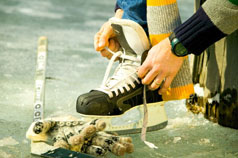
are snow covered.

Here are a few general guidelines for use by winter recreation enthusiasts to lessen their chances for an icy dip or worse. It's impossible to judge the strength of ice by its appearance, thickness, daily temperature, or snow cover alone. Ice strength is also dependent on water depth under the ice, the size of the water and water chemistry, currents, and distribution of the load on the ice.

THE ONLY "SAFE" ICE IS AT A SKATING ARENA!


WHAT DO YOU DO IF SOMEONE FALLS THROUGH THE ICE?

  • Act quickly and call 9-1-1 for help immediately. Make sure properly trained and equipped rescue personnel are alerted to respond.
  • DO NOT go out onto the ice. Many times would-be rescuers become victims themselves.
  • Reach, Throw, or Row. Extend a branch, pole or ladder to the victim. Throw them a buoyant object such as a life ring or float tied to a rope. If a boat is nearby row out to the victim or push it toward them.

HOW COLD IS COLD WATER?

  • Any water that is cooler than normal body temperature (98.6 degrees F) is by definition "cold water"
  • Cold water drains away body heat 25 to 30 times faster than air!
  • The lower the temperature of the water, the faster the onset of hypothermia.

WHAT IS HYPOTHERMIA?

  • Hypothermia is the excessive lowering of body temperature. A drop n core temperature below 95 degrees F., causes shivering, confusion, loss of muscle strength, and if not treated and reversed leads to unconsciousness and death.
  • Safety experts estimate that half of all drowning victims die from the fatal effects of hypothermia and cold water, not the fatal effects from water filled lungs.

PEDESTRIAN SAFETY

  • Slippery driveways and sidewalks can be particularly hazardous in the winter. Keep them well shoveled, and apply materials such as rock salt or sand to improve traction.
  • Be especially careful crossing the street and wear appropriate shoes and brightly colored (not white) clothing while walking in snowy conditions.
  • Use reflective clothing or stickers for maximum protection, especially at dawn and dusk.

Tuesday, January 27, 2015

Ice & Cold Weather Safety Tips

Each year, many residents are injured during the winter months as a result of pedestrian accidents and from exposure in cold water incidents. Skaters fall through the ice; boaters and canoeists overturn their crafts and pedestrians are struck walking in roadways because sidewalks
are snow covered.

Here are a few general guidelines for use by winter recreation enthusiasts to lessen their chances for an icy dip or worse. It's impossible to judge the strength of ice by its appearance, thickness, daily temperature, or snow cover alone. Ice strength is also dependent on water depth under the ice, the size of the water and water chemistry, currents, and distribution of the load on the ice.

THE ONLY "SAFE" ICE IS AT A SKATING ARENA!


WHAT DO YOU DO IF SOMEONE FALLS THROUGH THE ICE?

  • Act quickly and call 9-1-1 for help immediately. Make sure properly trained and equipped rescue personnel are alerted to respond.
  • DO NOT go out onto the ice. Many times would-be rescuers become victims themselves.
  • Reach, Throw, or Row. Extend a branch, pole or ladder to the victim. Throw them a buoyant object such as a life ring or float tied to a rope. If a boat is nearby row out to the victim or push it toward them.

HOW COLD IS COLD WATER?

  • Any water that is cooler than normal body temperature (98.6 degrees F) is by definition "cold water"
  • Cold water drains away body heat 25 to 30 times faster than air!
  • The lower the temperature of the water, the faster the onset of hypothermia.

WHAT IS HYPOTHERMIA?

  • Hypothermia is the excessive lowering of body temperature. A drop n core temperature below 95 degrees F., causes shivering, confusion, loss of muscle strength, and if not treated and reversed leads to unconsciousness and death.
  • Safety experts estimate that half of all drowning victims die from the fatal effects of hypothermia and cold water, not the fatal effects from water filled lungs.

PEDESTRIAN SAFETY

  • Slippery driveways and sidewalks can be particularly hazardous in the winter. Keep them well shoveled, and apply materials such as rock salt or sand to improve traction.
  • Be especially careful crossing the street and wear appropriate shoes and brightly colored (not white) clothing while walking in snowy conditions.
  • Use reflective clothing or stickers for maximum protection, especially at dawn and dusk.

Tuesday, January 15, 2013

Flu Basics


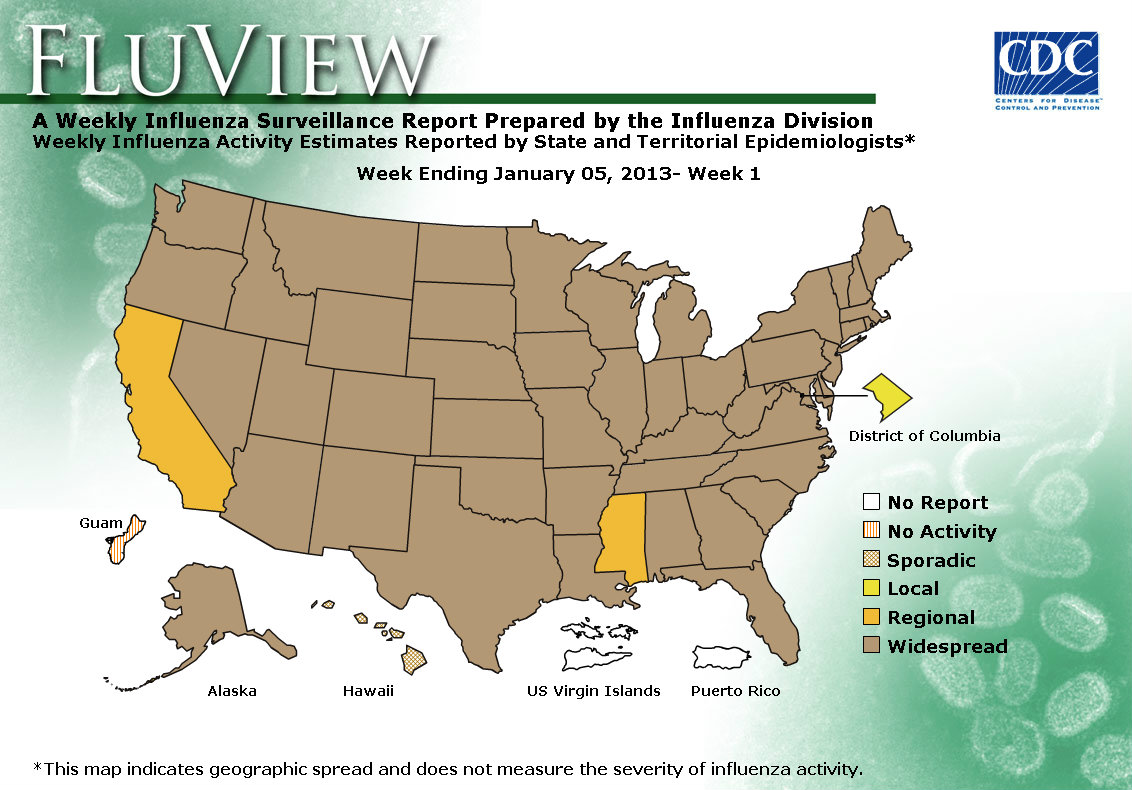
As many of you are aware, the Flu season is off to a very bad start.  During each Flu season, our Firefighters/EMT's/Paramedics end up responding to 911 calls for help as a result of the Flu.  

I thought it would be helpful to provide all of you with some information related to the Flu to learn more about it as well as, importantly, to help prevent the spread of it.  The below information comes directly from the Centers for Disease Control (CDC) web site and has a variety of useful information.  Please take a moment to review and act upon the recommendations.


Be safe and healthy!

Bill

Get Vaccinated

The single best way to prevent the flu is to get a flu vaccine each season. The 2012-2013 flu vaccine will protect against 2009 H1N1, and two other influenza viruses (an H3N2 virus and an influenza B virus).

Good Health Habits

Avoid close contact.
Avoid close contact with people who are sick. When you are sick, keep your distance from others to protect them from getting sick too.
Stay home when you are sick.
If possible, stay home from work, school, and errands when you are sick. You will help prevent others from catching your illness.
Cover your mouth and nose.
Cover your mouth and nose with a tissue when coughing or sneezing. It may prevent those around you from getting sick.
Clean your hands.
Washing your hands often will help protect you from germs.
Avoid touching your eyes, nose or mouth.
Most experts believe that flu viruses spread mainly by droplets made when people with flu cough, sneeze or talk. These droplets can land in the mouths or noses of people who are nearby. Less often, a person might also get flu by touching a surface or object that has flu virus on it and then touching their own mouth, eyes or nose.

Stop the Spread of Germs

Healthy habits can protect everyone from getting germs or spreading germs at home, work, or school.
Clean and disinfect surfaces or objects.
Cleaning and disinfecting surfaces and objects that may be contaminated with germs like the flu can help slow the spread of influenza.
At School

Printable Materials