Showing posts with label flu. Show all posts

Thursday, January 14, 2016

Is it Flu or Carbon Monoxide Poisoning?

Winter is here and thousands of adults and children will experience "flu-like" symptoms. But not all such cases are caused by the flu virus. Some victims actually have been unknowingly exposed to carbon monoxide (CO), which can result in serious injury or even death.
From CPSC web site

In fact, the symptoms of carbon monoxide poisoning can be quite similar to flu symptoms, which can sometimes even mask a CO poisoning. The longer CO symptoms are overlooked, the more difficult it becomes to treat victims effectively.

The symptoms of CO generally progress as exposure increases. If exposure is prolonged, symptoms can become life-threatening, including increased heart rate, loss of consciousness, convulsions and seizures. Coma, brain damage and death can result if exposure is severe.

Carbon monoxide cannot be detected by human senses. The only safe way to detect it is to properly install CO alarms in the right locations in the home. Surprisingly, 75 million American homes do not have CO alarms. In addition to installing CO alarms, watch for these symptoms of CO poisoning:

MINOR SYMPTOMS

  • Headache
  • Nausea
  • Vomiting
  • Irritability
  • Blurred vision

MODERATE SYMPTOMS (in addition to minor symptoms)

  • Drowsiness
  • Weakness
  • Dizziness
  • Fainting
  • Severe headache
  • Difficulty thinking

SEVERE SYMPTOMS (in addition to moderate symptoms)

  • Increased heart rate
  • Loss of consciousness
  • Convulsions/seizure
During winter the chance of CO poisoning increases so please make sure to ask the question "Is it flu or CO poisoning?" Don't wait until it's too late to install CO alarms. For more information, visit www.knowaboutCO.com

Thursday, January 8, 2015

Is it Flu or Carbon Monoxide Poisoning?

Winter is here and thousands of adults and children will experience "flu-like" symptoms. But not all such cases are caused by the flu virus. Some victims actually have been unknowingly exposed to carbon monoxide (CO), which can result in serious injury or even death.
From CPSC web site

In fact, the symptoms of carbon monoxide poisoning can be quite similar to flu symptoms, which can sometimes even mask a CO poisoning. The longer CO symptoms are overlooked, the more difficult it becomes to treat victims effectively.

The symptoms of CO generally progress as exposure increases. If exposure is prolonged, symptoms can become life-threatening, including increased heart rate, loss of consciousness, convulsions and seizures. Coma, brain damage and death can result if exposure is severe.

Carbon monoxide cannot be detected by human senses. The only safe way to detect it is to properly install CO alarms in the right locations in the home. Surprisingly, 75 million American homes do not have CO alarms. In addition to installing CO alarms, watch for these symptoms of CO poisoning:

MINOR SYMPTOMS

  • Headache
  • Nausea
  • Vomiting
  • Irritability
  • Blurred vision

MODERATE SYMPTOMS (in addition to minor symptoms)

  • Drowsiness
  • Weakness
  • Dizziness
  • Fainting
  • Severe headache
  • Difficulty thinking

SEVERE SYMPTOMS (in addition to moderate symptoms)

  • Increased heart rate
  • Loss of consciousness
  • Convulsions/seizure
During winter the chance of CO poisoning increases so please make sure to ask the question "Is it flu or CO poisoning?" Don't wait until it's too late to install CO alarms. For more information, visit www.knowaboutCO.com

Wednesday, January 16, 2013

Fire Chief Richard Bowers Interviewed Last Night on NBC Nightly News

Fire Chief Richard Bowers was interviewed last night on NBC Nightly News regarding the flu and impact on fire and EMS response.

Good information throughout the video.


Visit NBCNews.com for breaking news, world news, and news about the economy

Tuesday, January 15, 2013

Flu Basics


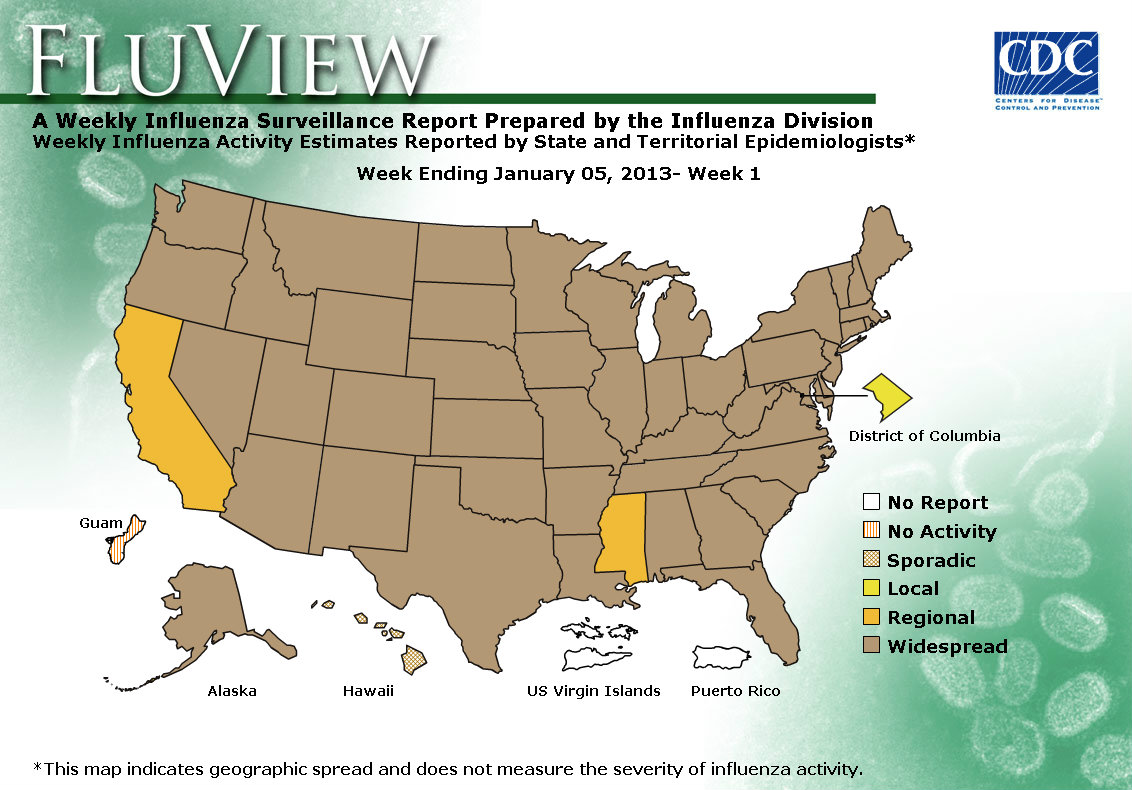
As many of you are aware, the Flu season is off to a very bad start.  During each Flu season, our Firefighters/EMT's/Paramedics end up responding to 911 calls for help as a result of the Flu.  

I thought it would be helpful to provide all of you with some information related to the Flu to learn more about it as well as, importantly, to help prevent the spread of it.  The below information comes directly from the Centers for Disease Control (CDC) web site and has a variety of useful information.  Please take a moment to review and act upon the recommendations.


Be safe and healthy!

Bill

Get Vaccinated

The single best way to prevent the flu is to get a flu vaccine each season. The 2012-2013 flu vaccine will protect against 2009 H1N1, and two other influenza viruses (an H3N2 virus and an influenza B virus).

Good Health Habits

Avoid close contact.
Avoid close contact with people who are sick. When you are sick, keep your distance from others to protect them from getting sick too.
Stay home when you are sick.
If possible, stay home from work, school, and errands when you are sick. You will help prevent others from catching your illness.
Cover your mouth and nose.
Cover your mouth and nose with a tissue when coughing or sneezing. It may prevent those around you from getting sick.
Clean your hands.
Washing your hands often will help protect you from germs.
Avoid touching your eyes, nose or mouth.
Most experts believe that flu viruses spread mainly by droplets made when people with flu cough, sneeze or talk. These droplets can land in the mouths or noses of people who are nearby. Less often, a person might also get flu by touching a surface or object that has flu virus on it and then touching their own mouth, eyes or nose.

Stop the Spread of Germs

Healthy habits can protect everyone from getting germs or spreading germs at home, work, or school.
Clean and disinfect surfaces or objects.
Cleaning and disinfecting surfaces and objects that may be contaminated with germs like the flu can help slow the spread of influenza.
At School

Printable Materials

Friday, November 20, 2009

H1N1 Vaccination Clinic

Montgomery County Department of Health and Human Services (DHHS) will hold an H1N1 vaccination clinic on Sunday, Nov. 22nd, from 10 a.m. to 2 p.m. The clinic is limited only to the following target groups: Children ages 6 months to 24 years; Pregnant woman; Parents/Caregivers of children less than 6 months of age; adults 25 to 64 with chronic health conditions such as asthma, diabetes, and heart disease; and Health care workers and emergency medical service workers. The clinic is located at the Physical Education Building, Montgomery College, Rockville Campus, 51 Mannakee St., Rockville, MD 20850. Vaccine is available on a walk in basis to the first 5000 individuals listed above. You should dress appropriately for the weather as waiting will be outdoors.


Families can assign one person to wait in line, while others wait in the car.

DHHS will hold a second H1N1 vaccination clinic on Tuesday, November 24th from 9 a.m. to noon. The clinic is by appointment only and will be limited to adults 18 to 64 years with chronic illnesses such as asthma, diabetes, cancer, HIV/AIDS, etc. To make an appointment, please call (240)777-4040 on Monday, November 23rd from 3 to 4 p.m. Callers will be asked for name, doctor’s name and phone number when making an appointment. Location of vaccination will be given when appointment is made.