Showing posts with label chimney sweep. Show all posts

Wednesday, February 10, 2016

Cool Your Ashes!

For a number of County residents today is Ash Wednesday and the observance marks the start of the Lenten season.
  
With frigid weather fast approaching for the rest of the week, and weekend, MCFRS would like to make sure all residents pay attention to another custom that involves ashes. The custom involves the building of fires in your fireplace or wood stove and the ashes that result from it.

Unfortunately, MCFRS has responded to several home fires this winter season due to improperly discarded fire place ashes. Many people do not realize that these ashes can actually remain hot enough to reignite and start a fire several days AFTER the fire is out!

Please, cool your fireplace ashes and take a moment to review the info graphic below to learn how to SAFELY dispose of them.

info graphic cool your ashes

Tuesday, December 22, 2015

Fireplace and Wood Burning Safety

During the holiday season many residents build a fire in the fireplace to add warmth and cheer to their home for family and friends.  According to weather forecasts for this week, it will be plenty warm but we will assume fires will still be built to add cheer to this festive time of year! 

With that in mind, please make sure you understand how to properly dispose of fireplace ashes as many people are unaware of the danger ashes can create.

Fireplace and wood-stove ashes retain enough heat to ignite other combustible materials for several days after a fire. It is important to learn the following ways to dispose of fireplace and wood-stove ashes properly:

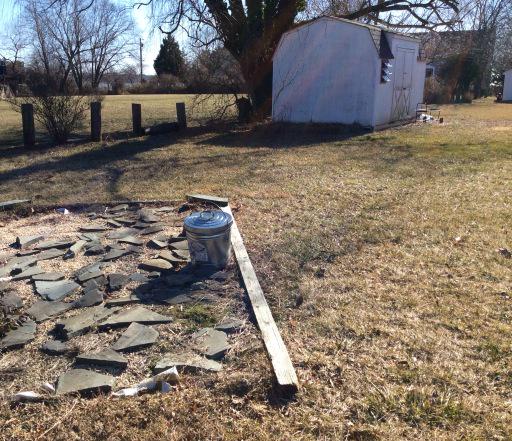
    ash can
  • DO NOT discard your ashes into any combustible container like a paper or plastic bag, a cardboard box, or a plastic trash can.
  • DO put ashes into a non-combustible metal container with a lid.
  • DO pour water into the container to make sure the ashes are cool.
  • DO keep your can OUTSIDE the home, away from combustibles.
  • DO teach all family members to be safe with ashes from your fireplace or wood stove.
As always, please make sure you test your smoke alarms monthly and replace batteries twice a year. Practice and plan a family home escape plan.

Tuesday, October 20, 2015

Wood Stove and Fireplaces

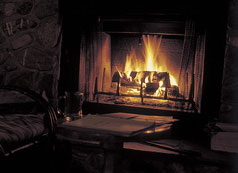
It is that time of year again!  Colder temps have us all looking to our home heating systems which, a good number of times, means wood stoves and fireplaces.  Careful attention to safety can minimize fire hazards.

Fireplace
To use them safely:
  • Be sure the fireplace or stove is installed properly. Wood stoves should have adequate clearance (36 inches) from combustible surfaces and proper floor support and protection.
  • Wood stoves should be of good quality, solid construction and design, and should be UL listed.
  • Have the chimney inspected annually and cleaned if necessary, especially if it has not been used for some time.
  • Do not use flammable liquids to start or accelerate any fire.
  • Keep a glass or metal screen in front of the fireplace opening, to prevent embers or sparks from escaping, unwanted material from going in, and to help prevent the possibility of burns.
  • The stove should be burned hot twice a day for 15-30 minutes to reduce the amount of creosote buildup.
  • Don't use excessive amounts of paper to build roaring fires in fireplaces. It is possible to ignite creosote in the chimney by overbuilding the fire.
  • Never burn charcoal indoors. Burning charcoal can give off lethal amounts of carbon monoxide.
  • Keep flammable materials away from your fireplace mantel. A spark from the fireplace could easily ignite theses materials.
  • Before you go to sleep, be sure your fireplace fire is out. NEVER close your damper with hot ashes in the fireplace. A closed damper will help the fire to heat up again and will force toxic carbon monoxide into the house.
  • If synthetic logs are used, follow the directions on the package. NEVER break a synthetic log apart to quicken the fire or use more than one log at a time. They often burn unevenly, releasing higher levels of carbon monoxide.
  • Never discard hot ashes inside or near the home. Place them in a metal container outside and well away from the house.

Monday, November 17, 2014

Fireplace and Wood Burning Safety

Just when we thought it could not get any colder -- it will!  No doubt many of you are firing up the wood burning stove or fireplace in your home.  Each year, we continue to run too many fires as a result of improperly discarded fireplace and wood stove ashes!

Please take a moment to review the below related safety tips to help make sure you enjoy your fireplace or wood burning stove safely.

Fireplace and wood-stove ashes retain enough heat to ignite other combustible materials for several days after a fire. It is important to learn the following ways to dispose of fireplace and wood-stove ashes properly:
  • DO NOT discard your ashes into any combustible container like a paper or plastic bag, a cardboard box, or a plastic trash can.
  • DO put ashes into a non-combustible metal container with a lid.
  • DO pour water into the container to make sure the ashes are cool.
  • DO keep your can OUTSIDE the home, away from combustibles.
  • DO teach all family members to be safe with ashes from your fireplace or wood stove.
As always, please make sure you test your smoke alarms monthly and replace batteries twice a year. Practice and plan a family home escape plan.

Monday, March 5, 2012

Dispose of Fireplace and Wood-stove Ashes Properly


Fireplace and wood-stove ashes retain enough heat to ignite other combustible materials for several days after a fire. It is important to learn the following ways to dispose of fireplace and wood-stove ashes properly:

·         DO NOT discard your ashes into any combustible container like a paper or plastic bag, a cardboard box, or a plastic trash can.
·         DO put ashes into a non-combustible metal container with a lid.
·         DO pour water into the container to make sure the ashes are cool.
·         DO keep your can OUTSIDE the home, away from combustibles.
·         DO teach all family members to be safe with ashes from your fireplace or wood stove.
As always, please make sure you test your smoke alarms monthly and replace batteries twice a year. Practice and plan a family home escape plan.

Wednesday, December 28, 2011

Put A Freeze On Winter Fires – Preventing Wood Stove and Fireplace Related Fires


Wood stoves and fireplaces are becoming a very common heat source in homes. Careful attention to safety can minimize a fire related emergency. To use them safely: 

Be sure the stove or fireplace is installed properly by a professional. Wood stoves should have adequate clearance (36”) from combustible surfaces, and proper floor support and protection.  

Wood stoves should be of good quality, solid construction and design, and should be UL listed. 

Have the chimney inspected annually and cleaned if necessary, especially if it has not been used for some time.  

Do not use flammable liquids to start or accelerate any fire.                         

Keep a glass or metal screen in front of the fireplace opening, to prevent embers or sparks from igniting combustibles outside the fireplace, unwanted material from going in, and help prevent the possibility of bums to occupants.  The stove should be burned hot twice a day for 15-30 minutes to reduce the amount of creosote buildup.               

Don’t use excessive amounts of paper to build roaring fires in fireplaces. It is possible to ignite creosote in the chimney by overbuilding the fire.  

Never burn charcoal indoors. Burning charcoal can give off lethal amounts of carbon monoxide. 

Keep flammable materials away from your mantel. A spark from the fireplace could easily ignite these materials. 

Before you go to sleep, be sure your fireplace fire is out. NEVER close your damper with hot ashes in the fireplace. A closed damper will help the fire to heat up again and will force toxic carbon monoxide into the house.

If synthetic logs are used, follow the directions on the package. Never break a synthetic log apart to quicken the fire or use more than one log at a time. They often burn unevenly, releasing higher levels of carbon monoxide.

Fireplace ashes can maintain enough heat to re-ignite for several days after a fire. When cleaning out the ashes, always assume they are still hot and use a metal can to contain them in for disposal. The metal can should be stored away from the home (at least 20 feet and NEVER keep it in an attached garage or on a deck).
  
Fire can spread rapidly through your home, leaving you as little as two minutes to escape safely. Your ability to get out depends on advance warning from smoke alarms and advance planning-a home fire escape plan that everyone in your family is familiar with and has practiced.

Because fires can grow and spread so quickly, having working smoke alarms in your home can mean the difference between life and death. Once the alarm sounds, you may have as few as two minutes to escape. Smoke alarms are the most effective early warning devices available.