Winter weather has decided to stay for a little visit this weekend. No doubt many of you will be looking for a variety of ways to keep warm. One popular way is having a nice warm fire in your fireplace or wood stove.
Unfortunately, MCFRS has responded to several home fires this winter season due to improperly discarded fire place ashes. Many people do not realize that these ashes can actually remain hot enough to reignite and start a fire several days AFTER the fire is out!
Please, cool your fireplace ashes and take a moment to review the info graphic below to learn how to SAFELY dispose of them.

Showing posts with label wood stove. Show all posts
Showing posts with label wood stove. Show all posts
Saturday, April 9, 2016


Tuesday, January 19, 2016
Cool Your Ashes!
MCFRS responded to another house fire last night related to improperly discarded fire place ashes. Please take a moment to review the info graphic below to learn how to SAFELY dispose of them.

Tuesday, October 20, 2015
Wood Stove and Fireplaces
It is that time of year again! Colder temps have us all looking to our home heating systems which, a good number of times, means wood stoves and fireplaces. Careful attention to safety can minimize fire hazards.

To use them safely:
- Be sure the fireplace or stove is installed properly. Wood stoves should have adequate clearance (36 inches) from combustible surfaces and proper floor support and protection.
- Wood stoves should be of good quality, solid construction and design, and should be UL listed.
- Have the chimney inspected annually and cleaned if necessary, especially if it has not been used for some time.
- Do not use flammable liquids to start or accelerate any fire.
- Keep a glass or metal screen in front of the fireplace opening, to prevent embers or sparks from escaping, unwanted material from going in, and to help prevent the possibility of burns.
- The stove should be burned hot twice a day for 15-30 minutes to reduce the amount of creosote buildup.
- Don't use excessive amounts of paper to build roaring fires in fireplaces. It is possible to ignite creosote in the chimney by overbuilding the fire.
- Never burn charcoal indoors. Burning charcoal can give off lethal amounts of carbon monoxide.
- Keep flammable materials away from your fireplace mantel. A spark from the fireplace could easily ignite theses materials.
- Before you go to sleep, be sure your fireplace fire is out. NEVER close your damper with hot ashes in the fireplace. A closed damper will help the fire to heat up again and will force toxic carbon monoxide into the house.
- If synthetic logs are used, follow the directions on the package. NEVER break a synthetic log apart to quicken the fire or use more than one log at a time. They often burn unevenly, releasing higher levels of carbon monoxide.
- Never discard hot ashes inside or near the home. Place them in a metal container outside and well away from the house.
Monday, February 23, 2015
Fireplace and Wood Burning Safety
Several recent fires in Montgomery County have been the result of misplaced fireplace/wood stove ashes. Please keep ashes AWAY from your home!
Fireplace and wood-stove ashes retain enough heat to ignite other combustible materials for several days after a fire. It is important to learn the following ways to  dispose of fireplace and wood-stove ashes properly:
dispose of fireplace and wood-stove ashes properly:- DO NOT discard your ashes into any combustible container like a paper or plastic bag, a cardboard box, or a plastic trash can.
- DO put ashes into a non-combustible metal container with a lid.
- DO pour water into the container to make sure the ashes are cool.
- DO keep your can OUTSIDE the home, away from combustibles.
- DO teach all family members to be safe with ashes from your fireplace or wood stove.
As always, please make sure you test your smoke alarms monthly and replace batteries twice a year. Practice and plan a family home escape plan.
Wednesday, January 7, 2015
Fireplace and Wood Burning Safety
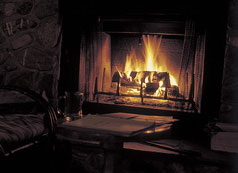 Just when we thought it could not get any colder -- it will! No doubt many of you are firing up the wood burning stove or fireplace in your home. Each year, we continue to run too many fires as a result of improperly discarded fireplace and wood stove ashes!
 Please take a moment to review the below related safety tips to help make sure you enjoy your fireplace or wood burning stove safely.
Fireplace and wood-stove ashes retain enough heat to ignite other combustible materials for several days after a fire. It is important to learn the following ways to dispose of fireplace and wood-stove ashes properly:
- DO NOT discard your ashes into any combustible container like a paper or plastic bag, a cardboard box, or a plastic trash can.
- DO put ashes into a non-combustible metal container with a lid.
- DO pour water into the container to make sure the ashes are cool.
- DO keep your can OUTSIDE the home, away from combustibles.
- DO teach all family members to be safe with ashes from your fireplace or wood stove.
As always, please make sure you test your smoke alarms monthly and replace batteries twice a year. Practice and plan a family home escape plan.
Tuesday, November 18, 2014
Wood Stove and Fireplace Safe Use
Wood stoves and fireplaces are becoming a very common heat source in homes. Careful attention to safety can minimize fire hazards.
To use them safely:
- Be sure the fireplace or stove is installed properly. Wood stoves should have adequate clearance (36 inches) from combustible surfaces and proper floor support and protection.
- Wood stoves should be of good quality, solid construction and design, and should be UL listed.
- Have the chimney inspected annually and cleaned if necessary, especially if it has not been used for some time.
- Do not use flammable liquids to start or accelerate any fire.
- Keep a glass or metal screen in front of the fireplace opening, to prevent embers or sparks from escaping, unwanted material from going in, and to help prevent the possibility of burns to occupants.
- The stove should be burned hot twice a day for 15-30 minutes to reduce the amount of creosote buildup.
- Don't use excessive amounts of paper to build roaring fires in fireplaces. It is possible to ignite creosote in the chimney by overbuilding the fire.
- Never burn charcoal indoors. Burning charcoal can give off lethal amounts of carbon monoxide.
- Keep flammable materials away from your fireplace mantel. A spark from the fireplace could easily ignite theses materials.
- Before you go to sleep, be sure your fireplace fire is out. NEVER close your damper with hot ashes in the fireplace. A closed damper will help the fire to heat up again and will force toxic carbon monoxide into the house.
- If synthetic logs are used, follow the directions on the package. NEVER break a synthetic log apart to quicken the fire or use more than one log at a time. They often burn unevenly, releasing higher levels of carbon monoxide.
Monday, November 17, 2014
Fireplace and Wood Burning Safety
Just when we thought it could not get any colder -- it will! No doubt many of you are firing up the wood burning stove or fireplace in your home. Each year, we continue to run too many fires as a result of improperly discarded fireplace and wood stove ashes! Please take a moment to review the below related safety tips to help make sure you enjoy your fireplace or wood burning stove safely.
Fireplace and wood-stove ashes retain enough heat to ignite other combustible materials for several days after a fire. It is important to learn the following ways to dispose of fireplace and wood-stove ashes properly:
- DO NOT discard your ashes into any combustible container like a paper or plastic bag, a cardboard box, or a plastic trash can.
- DO put ashes into a non-combustible metal container with a lid.
- DO pour water into the container to make sure the ashes are cool.
- DO keep your can OUTSIDE the home, away from combustibles.
- DO teach all family members to be safe with ashes from your fireplace or wood stove.
As always, please make sure you test your smoke alarms monthly and replace batteries twice a year. Practice and plan a family home escape plan.
Thursday, November 13, 2014
Winter Fires: Safety Tips for Home Heating
With cold weather upon us, it is a good time to remind everyone of some simple steps to help prevent a heating related fire in your home.
The high cost of home heating fuels and utilities have caused many Americans to search for alternate sources of home heating. The use of woodburning stoves is growing and space heaters are selling rapidly, or coming out of storage. Fireplaces are burning wood and manmade logs.
All these methods of heating may be acceptable. They are, however, a major contributing factor in residential fires. Many of these fires can be prevented. The following fire safety tips can help you maintain a fire safe home this winter.
Kerosene Heaters
- Be sure your heater is in good working condition. Inspect exhaust parts for carbon buildup. Be sure the heater has an emergency shut off in the event the heater is tipped over.
- Never use fuel burning appliances without proper room venting. Burning fuel (coal, kerosene, or propane, for example) can produce deadly fumes.
- Use ONLY the fuel recommended by the heater manufacturer. NEVER introduce a fuel into a unit not designed for that type fuel.
- Keep kerosene, or other flammable liquids stored in approved metal containers, in well ventilated storage areas, outside of the house.
- NEVER fill the heater while it is operating or hot. When refueling an oil or kerosene unit, avoid overfilling. DO NOT use cold fuel for it may expand in the tank as it warms up.
- Refueling should be done outside of the home (or outdoors). Keep children, pets and clothing away from heaters.
- When using a fuel burning appliance in the bedroom, be sure there is proper ventilation to prevent a buildup of carbon monoxide.
Wood Stove and Fireplaces
Wood stoves and fireplaces are becoming a very common heat source in homes. Careful attention to safety can minimize fire hazards.
To use them safely:
- Be sure the fireplace or stove is installed properly. Wood stoves should have adequate clearance (36 inches) from combustible surfaces and proper floor support and protection.
- Wood stoves should be of good quality, solid construction and design, and should be UL listed.
- Have the chimney inspected annually and cleaned if necessary, especially if it has not been used for some time.
- Do not use flammable liquids to start or accelerate any fire.
- Keep a glass or metal screen in front of the fireplace opening, to prevent embers or sparks from escaping, unwanted material from going in, and to help prevent the possibility of burns to occupants.
- The stove should be burned hot twice a day for 15-30 minutes to reduce the amount of creosote buildup.
- Don't use excessive amounts of paper to build roaring fires in fireplaces. It is possible to ignite creosote in the chimney by overbuilding the fire.
- Never burn charcoal indoors. Burning charcoal can give off lethal amounts of carbon monoxide.
- Keep flammable materials away from your fireplace mantel. A spark from the fireplace could easily ignite theses materials.
- Before you go to sleep, be sure your fireplace fire is out. NEVER close your damper with hot ashes in the fireplace. A closed damper will help the fire to heat up again and will force toxic carbon monoxide into the house.
- If synthetic logs are used, follow the directions on the package. NEVER break a synthetic log apart to quicken the fire or use more than one log at a time. They often burn unevenly, releasing higher levels of carbon monoxide.
Furnace Heating
It is important that you have your furnace inspected annually to ensure that it is in good working condition.
- Be sure all furnace controls and emergency shutoffs are in proper working condition.
- Leave furnace repairs to qualified specialists. Do not attempt repairs yourself unless you are qualified.
- Inspect the walls and ceiling near the furnace and along the chimney line. If the wall is hot or discolored, additional pipe insulation or clearance may be required.
- Check the flue pipe and pipe seams. Are they well supported and free of holes and cracks? Soot along or around seams may be an indicator of a leak.
- All unused flue openings should be sealed with solid masonry.
- Keep trash and other combustibles away from the heating system.
Other Fire Saftey Tips
- Never discard hot ashes inside or near the home. Place them in a metal container outside and well away from the house.
- Never use a range or an oven as a supplemental heating device. Not only is it a safety hazard, it can be a source of potentially toxic fumes.
- If you use an electric heater, be sure not to overload the circuit. Only use extension cords which have the necessary rating to carry an amp load.
TIP: Choose an extension cord the same size or larger than the appliance electrical cord. - Place heaters at least three feet away from objects such as bedding, furniture and drapes. Never use heaters to dry clothes or shoes. Do not place heaters where towels or other objects could fall on the heater and start a fire.
- Be certain that your heater is placed on a level, hard and nonflammable surface, not on rugs or carpets.
- Use heaters on the floor. Never place heaters on furniture, since they may fall, dislodging or breaking parts in the heater, which could result in a fire or shock hazard.
- Keep all heaters in safe working conditions. Never operate a defective heater.
- Avoid using electrical space heaters in bathrooms or other areas where they may come in contact with water.
- Frozen water pipes? Never try to thaw them with a blow torch or other open flame, otherwise the pipe could conduct the heat and ignite the wall structure inside the wall space. Use hot water or a UL-labeled device such as a hand held dryer for thawing and it is recommended that you consult with a qualified professional.
- If windows are used as emergency exits in your home, practice using them in the event fire should strike. Be sure that all the windows open easily. Home escape ladders are recommended.
- If there is a fire hydrant near your home you can assist the fire department by keeping the hydrant clear of snow so in the event it is needed, it can be located.
- Do not run cords under rugs or carpets. Placing anything on top of the cord could cause the cord to overheat and result in a fire.
Finally...
- Be sure every level of your home has a working smoke alarm, and check and clean it on a monthly basis. In addition, have a carbon monoxide alarm outside each sleeping area.
- Plan and practice a home escape plan with your family.
- Contact your local fire department for advice if you have a question on home fire safety or to schedule for a free home safety inspection.
Wednesday, January 23, 2013
Winter Fires: Safety Tips for the Home
The high cost of home heating fuels and utilities have caused many Americans to search for alternate sources of home heating. The use of woodburning stoves is growing and space heaters are selling rapidly, or coming out of storage. Fireplaces are burning wood and manmade logs.
All these methods of heating may be acceptable. They are, however, a major contributing factor in residential fires. Many of these fires can be prevented. The following fire safety tips can help you maintain a fire safe home this winter.
Kerosene Heaters
- Be sure your heater is in good working condition. Inspect exhaust parts for carbon buildup. Be sure the heater has an emergency shut off in the event the heater is tipped over.
- Never use fuel burning appliances without proper room venting. Burning fuel (coal, kerosene, or propane, for example) can produce deadly fumes.
- Use ONLY the fuel recommended by the heater manufacturer. NEVER introduce a fuel into a unit not designed for that type fuel.
- Keep kerosene, or other flammable liquids stored in approved metal containers, in well ventilated storage areas, outside of the house.
- NEVER fill the heater while it is operating or hot. When refueling an oil or kerosene unit, avoid overfilling. DO NOT use cold fuel for it may expand in the tank as it warms up.
- Refueling should be done outside of the home (or outdoors). Keep children, pets and clothing away from heaters.
- When using a fuel burning appliance in the bedroom, be sure there is proper ventilation to prevent a buildup of carbon monoxide.
Wood Stove and Fireplaces
Wood stoves and fireplaces are becoming a very common heat source in homes. Careful attention to safety can minimize fire hazards.

To use them safely:
- Be sure the fireplace or stove is installed properly. Wood stoves should have adequate clearance (36 inches) from combustible surfaces and proper floor support and protection.
- Wood stoves should be of good quality, solid construction and design, and should be UL listed.
- Have the chimney inspected annually and cleaned if necessary, especially if it has not been used for some time.
- Do not use flammable liquids to start or accelerate any fire.
- Keep a glass or metal screen in front of the fireplace opening, to prevent embers or sparks from escaping, unwanted material from going in, and to help prevent the possibility of burns to occupants.
- The stove should be burned hot twice a day for 15-30 minutes to reduce the amount of creosote buildup.
- Don't use excessive amounts of paper to build roaring fires in fireplaces. It is possible to ignite creosote in the chimney by overbuilding the fire.
- Never burn charcoal indoors. Burning charcoal can give off lethal amounts of carbon monoxide.
- Keep flammable materials away from your fireplace mantel. A spark from the fireplace could easily ignite theses materials.
- Before you go to sleep, be sure your fireplace fire is out. NEVER close your damper with hot ashes in the fireplace. A closed damper will help the fire to heat up again and will force toxic carbon monoxide into the house.
- If synthetic logs are used, follow the directions on the package. NEVER break a synthetic log apart to quicken the fire or use more than one log at a time. They often burn unevenly, releasing higher levels of carbon monoxide.
Furnace Heating
It is important that you have your furnace inspected annually to ensure that it is in good working condition.
- Be sure all furnace controls and emergency shutoffs are in proper working condition.
- Leave furnace repairs to qualified specialists. Do not attempt repairs yourself unless you are qualified.
- Inspect the walls and ceiling near the furnace and along the chimney line. If the wall is hot or discolored, additional pipe insulation or clearance may be required.
- Check the flue pipe and pipe seams. Are they well supported and free of holes and cracks? Soot along or around seams may be an indicator of a leak.
- All unused flue openings should be sealed with solid masonry.
- Keep trash and other combustibles away from the heating system.
Other Fire Saftey Tips
- Never discard hot ashes inside or near the home. Place them in a metal container outside and well away from the house.
- Never use a range or an oven as a supplemental heating device. Not only is it a safety hazard, it can be a source of potentially toxic fumes.
- If you use an electric heater, be sure not to overload the circuit. Only use extension cords which have the necessary rating to carry an amp load.
TIP: Choose an extension cord the same size or larger than the appliance electrical cord. - Place heaters at least three feet away from objects such as bedding, furniture and drapes. Never use heaters to dry clothes or shoes. Do not place heaters where towels or other objects could fall on the heater and start a fire.
- Be certain that your heater is placed on a level, hard and nonflammable surface, not on rugs or carpets.
- Use heaters on the floor. Never place heaters on furniture, since they may fall, dislodging or breaking parts in the heater, which could result in a fire or shock hazard.
- Keep all heaters in safe working conditions. Never operate a defective heater.
- Avoid using electrical space heaters in bathrooms or other areas where they may come in contact with water.
- Frozen water pipes? Never try to thaw them with a blow torch or other open flame, otherwise the pipe could conduct the heat and ignite the wall structure inside the wall space. Use hot water or a UL-labeled device such as a hand held dryer for thawing and it is recommended that you consult with a qualified professional.
- If windows are used as emergency exits in your home, practice using them in the event fire should strike. Be sure that all the windows open easily. Home escape ladders are recommended.
- If there is a fire hydrant near your home you can assist the fire department by keeping the hydrant clear of snow so in the event it is needed, it can be located.
- Do not run cords under rugs or carpets. Placing anything on top of the cord could cause the cord to overheat and result in a fire.
Finally...
- Be sure every level of your home has a working smoke alarm, and check and clean it on a monthly basis. In addition, have a carbon monoxide alarm outside each sleeping area.
- Plan and practice a home escape plan with your family.
- Contact your local fire department for advice if you have a question on home fire safety or to schedule for a free home safety inspection.
Sunday, January 20, 2013
Two Firefighters Injured in Dickerson House Fire Saturday Morning
 |
| Photo is courtesy of FF S. Kisner, MCFRS |
The fire is believed to have started in or near the wood stove. The fire is ruled accidental.
One firefighter suffered second degree burns on his hand. Another firefighter was mildly shocked when the structure's electric service line came in contact with the aluminum siding.
No civilians were injured. Both firefighters were
transported to a local trauma center with non life threatening injuries. One of
the firefighters has been released and the second is being held for
observation.
Wednesday, December 12, 2012
Tips for Safe Disposal of Ash from Fireplaces and Woodstoves From County’s Division of Solid Waste Services, Fire and Rescue Service
As the winter season officially arrives, residents are reminded that
fireplace and woodstove ashes retain enough heat to ignite other combustible
materials for several days after a fire. The rule to remember is: never put
ashes in a paper or plastic bag, cardboard box or plastic bucket.
“Embers often concealed in what appears to be cold ashes, can remain hot enough to rekindle a fire for several days,” said Fire Chief Richard Bowers. “We want residents to enjoy their fireplaces, wood stoves and grills but to always take care to dispose of the ashes wisely.”
The Division of Solid Waste Services (Dept. of Environmental Protection)
joins the Montgomery County Fire Rescue Service in reminding residents never to
put out ashes from fireplaces for collection with their regular household trash
unless they have been thoroughly soaked with water in a metal ash bucket with a
tight fitting metal lid and designed for that purpose, or held in place for at
least a week to ensure there are no residual embers.
Store any container holding ash outside, away from structures, decks, fences, wood piles or other combustible materials. Ashes retain enough heat to ignite other combustible materials for several days after a fire.
Cooled ashes may be brought to the Shady Grove Road Processing Facility and Transfer Station for disposal in specifically-designated ash containers. The Transfer Station is located at 16101 Frederick Rd., Derwood (off Rt. 355 at Shady Grove Rd.).
When delivering ash, residents are asked to use the Frederick Rd. (Rt. 355) entrance just south of Shady Grove Rd. The Transfer Station's Public Unloading Facility (PUF) -- also called the "Car Ramp" -- has several steel drums marked specifically for ash disposal. The drums are located between trash drop-off bays. Contractor staff verifies that the ash has cooled off before taking it to the rubble drop-off area for disposal.
“Hot ashes that are not properly cooled and disposed are significant fire hazards, capable of starting fires when mixed in loads of waste in refuse collection trucks, on rail cars on their way to waste disposal facilities or while waste is actually being processed at the County’s Transfer Station,” said Dan Locke, chief of the Division of Solid Waste Services.
MCFRS and DSWS both want residents to be aware that the risk of fire becomes even greater when it is windy. The wind can reignite embers and potentially send them toward nearby combustibles, such as homes.
Two other helpful ash safety hints from MCFRS are: never use a vacuum cleaner to pick up ashes and always have working smoke alarms on every level of the home and test them monthly.
For more information, including photos of the Transfer Station disposal site, visit the DSWS website
“Embers often concealed in what appears to be cold ashes, can remain hot enough to rekindle a fire for several days,” said Fire Chief Richard Bowers. “We want residents to enjoy their fireplaces, wood stoves and grills but to always take care to dispose of the ashes wisely.”
 The Division of Solid Waste Services (Dept. of Environmental Protection)
joins the Montgomery County Fire Rescue Service in reminding residents never to
put out ashes from fireplaces for collection with their regular household trash
unless they have been thoroughly soaked with water in a metal ash bucket with a
tight fitting metal lid and designed for that purpose, or held in place for at
least a week to ensure there are no residual embers.
The Division of Solid Waste Services (Dept. of Environmental Protection)
joins the Montgomery County Fire Rescue Service in reminding residents never to
put out ashes from fireplaces for collection with their regular household trash
unless they have been thoroughly soaked with water in a metal ash bucket with a
tight fitting metal lid and designed for that purpose, or held in place for at
least a week to ensure there are no residual embers. Store any container holding ash outside, away from structures, decks, fences, wood piles or other combustible materials. Ashes retain enough heat to ignite other combustible materials for several days after a fire.
Cooled ashes may be brought to the Shady Grove Road Processing Facility and Transfer Station for disposal in specifically-designated ash containers. The Transfer Station is located at 16101 Frederick Rd., Derwood (off Rt. 355 at Shady Grove Rd.).
When delivering ash, residents are asked to use the Frederick Rd. (Rt. 355) entrance just south of Shady Grove Rd. The Transfer Station's Public Unloading Facility (PUF) -- also called the "Car Ramp" -- has several steel drums marked specifically for ash disposal. The drums are located between trash drop-off bays. Contractor staff verifies that the ash has cooled off before taking it to the rubble drop-off area for disposal.
“Hot ashes that are not properly cooled and disposed are significant fire hazards, capable of starting fires when mixed in loads of waste in refuse collection trucks, on rail cars on their way to waste disposal facilities or while waste is actually being processed at the County’s Transfer Station,” said Dan Locke, chief of the Division of Solid Waste Services.
MCFRS and DSWS both want residents to be aware that the risk of fire becomes even greater when it is windy. The wind can reignite embers and potentially send them toward nearby combustibles, such as homes.
Two other helpful ash safety hints from MCFRS are: never use a vacuum cleaner to pick up ashes and always have working smoke alarms on every level of the home and test them monthly.
For more information, including photos of the Transfer Station disposal site, visit the DSWS website
Wednesday, December 28, 2011
Put A Freeze On Winter Fires – Preventing Wood Stove and Fireplace Related Fires
Wood stoves and fireplaces are becoming a very common heat
source in homes. Careful attention to safety can minimize a fire related
emergency. To use them safely:
Be sure the stove or fireplace is installed properly by a
professional. Wood stoves should have adequate clearance (36”) from combustible
surfaces, and proper floor support and protection.
 Wood stoves should be of good quality, solid construction
and design, and should be UL listed.
Wood stoves should be of good quality, solid construction
and design, and should be UL listed.
Have the chimney inspected annually and cleaned if
necessary, especially if it has not been used for some time.
Do not use flammable liquids to start or accelerate any
fire.
Keep a glass or metal screen in front of the fireplace
opening, to prevent embers or sparks from igniting combustibles outside the
fireplace, unwanted material from going in, and help prevent the possibility of
bums to occupants. The stove should be burned hot twice a day for 15-30
minutes to reduce the amount of creosote
buildup.
Don’t use excessive amounts of paper to build roaring fires
in fireplaces. It is possible to ignite creosote in the chimney by overbuilding
the fire.
Never burn charcoal indoors. Burning charcoal can give off
lethal amounts of carbon monoxide.
Keep flammable materials away from your mantel. A spark from
the fireplace could easily ignite these materials.
Before you go to sleep, be sure your fireplace fire is out.
NEVER close your damper with hot ashes in the fireplace. A closed damper will
help the fire to heat up again and will force toxic carbon monoxide into the
house.
If synthetic logs are used, follow the directions on the
package. Never break a synthetic log apart to quicken the fire or use more than
one log at a time. They often burn unevenly, releasing higher levels of carbon
monoxide.
Fireplace ashes can maintain enough heat to re-ignite for
several days after a fire. When cleaning out the ashes, always assume they are
still hot and use a metal can to contain them in for disposal. The metal
can should be stored away from the home (at least 20 feet and NEVER keep it in
an attached garage or on a deck).
Fire can spread rapidly through your home, leaving you as
little as two minutes to escape safely. Your ability to get out depends on
advance warning from smoke alarms and advance planning-a home fire escape plan
that everyone in your family is familiar with and has practiced.
Because fires can grow and spread so quickly, having working
smoke alarms in your home can mean the difference between life and death. Once
the alarm sounds, you may have as few as two minutes to escape. Smoke alarms
are the most effective early warning devices available.
Subscribe to:
Posts (Atom)