Showing posts with label carbon monoxide poisoning. Show all posts

Wednesday, July 27, 2016

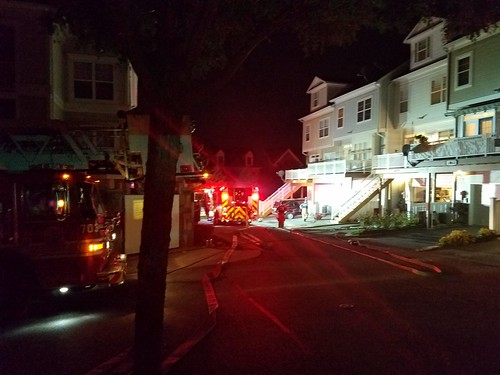
Carbon Monoxide Incident In Rockville

Gaither Rd. CO Poisoning
Earlier this morning at approximately 3 a.m. in the 1000 block of Gaither Road in Rockville, MCFRS units responded for a reported unknown odor. Units arrived on scene to find elevated levels of Carbon Monoxide (CO) in a four story townhouse as a result of a car running in the garage for several hours,

Elevated readings in two additional homes were found as well. Eight people total were impacted. EMS transported two adults and three children to an area hospital with low levels of CO poisoning for a check up.

MCFRS would like to remind all residents that CO can be a silent killer. Please review the below information for more.


Accessible information can be found HERE.

Sunday, July 10, 2016

Portable Generators And Carbon Monoxide Poisoning

graphic highlighting potential dangers using portable generatorsPortable generators can be a tremendous resource to have when power to your home is out. But they can also be dangerous if not used properly.

This past week, four workers were operating a portable generator inside a house in an unventilated area and had to be rushed to area hospitals suffering from Carbon Monoxide (CO) poisoning.

As we all know, Summer brings severe weather that at times will cause power outages. More and more residents are relying on portable generators to provide power to their homes during these times. Please take a moment to review the below safety tips. If you do not have a portable generator but know someone who does, please make sure you share this important information!

1. Make sure your home has a carbon monoxide alarm. As with smoke alarms, install a carbon monoxide alarm on every level of your home, especially near sleeping areas, and keep them at least 15 feet away from fuel-burning appliances.

2. Carbon monoxide alarms are not substitutes for smoke alarms, and vice versa. Combination smoke and carbon monoxide alarms are available.

3. Never use a grill, generator or camping stove inside your home, garage or near a window. The generator should be at least 20 feet clear of any garage, window or vent.

4. Follow the instructions that come with your generator. Locate the unit outdoors and far from doors, windows, and vents that could allow CO to come indoors.
 
4. If you need to warm a vehicle, remove it from the garage immediately after starting it. Don’t leave a car, SUV or motorcycle engine running inside a garage.

5. If using gasoline-powered devices, store gasoline in a locked location where children cannot access it. Keep only small quantities in an approved container that has child safety features.

6. Keep gasoline away from any source of heat, spark or flame. Even common household appliances such as water heaters and clothes dryers can start a fire. Be sure to store your gasoline away from anything that could ignite it.

7. Before refueling the generator, turn it off and let it cool down. Gasoline spilled on hot engine parts could ignite.
graphic highlighting potential dangers of carbon monoxide

Friday, March 25, 2016

Top Five Causes of Poisoning

We are getting near the end of Poison Prevention Week and we hope you have learned a bit more about this oft overlooked safety topic.

When most people think about poisoning, they tend to think of someone swallowing a cleaning product or similar. As you can see in the info-graphic below, poisoning encompasses much more.

Take a moment to look at the variety of causes of poisoning and take steps today to prevent this from occurring in your home - especially if you have small children.


Friday, February 12, 2016

Prepare For Freezing Temps This Weekend

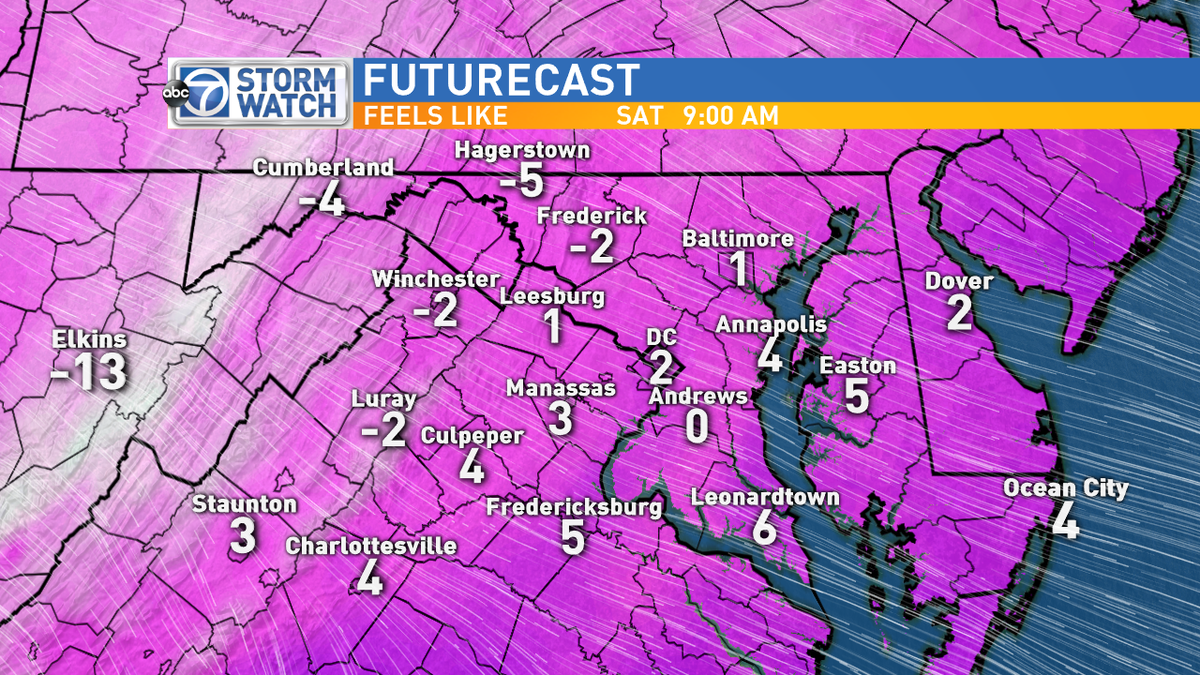
Montgomery County Fire and Rescue offers the following tips as some of the coldest weather in years arrives in the region. With gusty winds and temps predicted to drop into the single digits in many areas, it’s good to be prepared, monitor the weather and bundle up.
weather map with wind chills
Via ABC7 Weather - Wind Chills for Saturday

Carbon Monoxide 
In a small space, carbon monoxide can build up and become dangerous quickly. Never warm-up your car in an attached garage or carport and protect yourself from carbon monoxide poisoning by installing a CO detector in your home. Never use grills, generators, camp stoves or similar devices indoors or in your garage.

Space Heater Safety Tips

  • All heaters need space. Keep things that can burn, such as paper, bedding or furniture at least 3 feet away from heating equipment.
  • Make sure you plug the space heater directly into an outlet - - - not an extension cord.
  • Turn off and unplug space heaters when you leave a room or go to sleep.
  • Space heaters should always be positioned on a flat floor and not on top of furniture, a table or cabinets.
  • Make sure all fuel-burning equipment is vented to the outside to avoid carbon monoxide (CO) poisoning. CO poisoning can cause illness and even death.
  • Install and maintain carbon monoxide alarms inside your home to provide early warning of carbon monoxide.
  • Use only heating equipment that has the label of a recognized testing laboratory and read all manufacturer instructions.

Winter Driving  

  • Keep a cold weather kit in your car. Include important safety items such as a fully charged cell phone, a blanket, flashlight, ice scraper, gloves, hat, scarf and a first-aid kit.
  • Fill up a gallon size baggie with kitty litter to keep in the car during the winter in case you get stuck in snow or ice. 
  • Be sure to have the proper amount of antifreeze in your vehicle. Antifreeze works to prevent your engine block from freezing. 
  • Check your wipers and ensure you have plenty of windshield wiper fluid. Want your wipers to last longer? Don’t turn them on until after they’re cleared of ice and snow. 

Pets 
Bring your pets indoors during winter weather! Never leave your dog or cat alone in the car during cold weather. A car can act as a refrigerator in the winter holding in the cold and causing an animal to freeze. Additionally, move other animals or livestock to sheltered areas with non-frozen drinking water. Remember, antifreeze is a toxic poison for cats and dogs.

Pedestrian Safety
Slippery driveways and sidewalks can be particularly hazardous in the winter. Keep them well-shoveled and apply materials such as rock salt or sand to improve traction.

Parents
It is a good time to talk to your kids about cold weather safety. Extra care is needed, especially with younger children, to ensure they are prepared for the cold weather in the forecast. Develop an emergency plan and teach children your plan.

Ice Dangers 

  • Despite the cold temps, there is no such thing as 100 percent safe ice in our region. Remind children to stay away from ponds, lakes and other bodies of water that may appear to be frozen or have a thin coating of ice.  
  • If you witness someone falling through the ice, the best way to help them is to immediately call 9-1-1 so rescue personnel can quickly be dispatched. Resist the urge to go out on the ice after them or else you could fall through too. Would-be rescuers frequently become victims when they fall through the ice as well.
  • Keep an eye on the location where the victim is so you can direct rescuers to that location.
  • While waiting for rescue personnel to arrive on the scene, extend or throw a long object to them such as rope, pole, tree limb or even a scarf to help pull them to shore. If using a rope, have the victim tie the rope around them in case they become weakened by the cold and are unable to hold onto the rope. Reassure them that help is on the way and if they are able to self-rescue out of the water take immediate measures to keep them warm to help prevent hypothermia while waiting for rescue personnel to arrive. 

Lastly, keep dogs on leashes around frozen bodies of waters. Many dogs are seriously injured or killed after falling through ice.


Monday, January 25, 2016

IMPORTANT: Clear Snow From Your Furnace, Dryer and Hot Water Heater Vents To Prevent Carbon Monoxide Poisoning!

co vent pipe
Vent pipe on side of home. Intake
& exhaust
The Montgomery County Fire and Rescue Service, as well as our regional partners, have seen a continued number of carbon monoxide incidents and detector activations due to snow accumulation and build-up. As you head outside to dig out of your driveway and clear your sidewalks, there are some other places around your home you may have to clear.

A common problem is high snow drifts that block furnace vents and air intakes in some homes, predominantly those that have newer high-efficiency furnaces. New, high efficiency furnaces vent out the side of a home rather than up through the roof. These vents and air intakes must be kept clear of snow. If they are blocked, the carbon monoxide will go back into the home. Some newer high efficiency furnaces have automatic shut-off’s that shutdown the furnace when the vents are blocked, but not all of them. As a general rule you should keep a three-foot area clear around the vent and intake tubes. After any snowfall it is important to inspect the area around the furnace and hot water heater vents to ensure that snow and ice are not blocking the safe operation of these fuel burning devices. Homeowners should keep a three- foot area around the vents clear of snow, shrubs, or other potential obstructions. Heating and dryer vents should also be cleared of snow to prevent possible carbon monoxide poisoning. NEVER run generators in the home, garage or other enclosed spaces as carbon monoxide can rise to dangerous, if not fatal levels. If your CO alarm sounds, immediately evacuate to a safe location and call 9-1-1. 


photo of properly cleared vent