Showing posts with label heat stroke. Show all posts

Sunday, July 24, 2016

Your Car Can Turn Into An Oven Quickly Today – Please Don’t Leave Your Best Friend Behind!

Another HOT day is in store for us on yet another of the 101 Days of Summer Safety. We are reposting this particular tip in light of this heat wave.

If you are a pet owner and decide to run errands with Spot in your car - do NOT leave Fido in the back seat as you get out and go about your business. A car, on a day like today and even with windows cracked, can turn into an oven very quickly.

Like humans, dogs are at risk of heat stroke during the summer months. It can only take a few minutes for a pet left in a vehicle on a warm day to succumb to heatstroke. Unlike people, our canine friends have very limited ability to cool off by sweating. Dogs have sweat glands on their foot pads only and their main mechanism for cooling down is panting which can be insufficient to lower their body temperature on hot days.

Just a few minutes in a car can be enough for an animal's body temperature to climb to deadly levels that will damage the nervous and cardiovascular systems, often leaving the animal comatose, dehydrated and at risk of permanent impairment or death. Even on a moderate summer day, the sun can turn a car into an oven very quickly. On a mild 70° day the temperature inside a car parked in the shade – even with the window “cracked”- can reach 89° in a few minutes; in direct sunlight it can reach more than 100°.


The law in Maryland: MD Code, Transportation § 21-1004.1
It is illegal for a cat or dog to be in a “standing or parked motor vehicle in a manner that endangers the health or safety of the cat or dog.”

Friday, July 22, 2016

Tips on Surviving the Heat Wave

As some of you are no doubt aware, the weather forecast over the next several days calls for sustained, high temperatures and heat index making it especially dangerous for the those at greatest risk including the elderly, the young, those with existing medical conditions and those that work outdoors. Montgomery County government is also offering Tips on Surviving the Heat 

graph displaying expected highs over the next several daysWhile staying hydrated is essential all year long, it is particularly important when temperatures soar. MCFRS is urging residents to to stay cool, stay hydrated and to check on the welfare of elderly or at-risk neighbors. 

During hot weather and extreme heat these next several days, and throughout the summer, keep informed by listening to local weather and news channels, use common sense and take a minute to review the tips below.

1. Pre-hydrate, hydrate and re-hydrate. 
During hot weather you will need to increase your fluid intake, regardless of your activity level. Drink plenty of fluids in advance, during and after activities and don’t wait until you're thirsty to hydrate.  Warning: If your doctor generally limits the amount of fluids you drink or has prescribed water pills, ask how much you should drink when the weather is hot. 

2. Dress for the heat. 
Wear lightweight, light-colored clothing. Light colors will reflect some of the sun’s energy.Limit your direct exposure to the sun and wear a hat for extra protection.

3. Monitor those at high risk.
Extreme heat can be hazardous to your health and although anyone can suffer from heat-related illness, some people are at greater risk than others. Those most at risk for heat-related illnesses include children, older adults, those that work or exercise outside and those with pre-existing medical conditions. Elderly, low income or individuals with disabilities in Montgomery County in need of a fan can call 240-777-3000 for information on free fans.

4. Children and cars - use common sense.
Never leave infants, children, pets or the elderly in a parked car where temperatures can become life-threatening in minutes, even with the windows rolled down. Additionally, hot interior surfaces of a car can burn a child’s skin. Before you put your child in a car that has been parked in a warm/sunny spot, check the temperature of the car seat or upholstery first.

5. Avoid strenuous activity.
When possible, strenuous activities should be reduced, eliminated or rescheduled to the coolest part of the day. Take regular breaks when exercising or engaged in physical activity on warm days. If you recognize that you, or someone else, is showing signs of a heat-related illness, stop the activity immediately, find a cool place to rest, hydrate and seek medical attention if necessary.

Remember, heat stroke is a MEDICAL EMERGENCY that can be fatal if not treated promptly. The American Red Cross advises that warning signs can vary among individuals but common signs of heat exhaustion or heat stroke may include:  

Heat Exhaustion:

      -  Heavy sweating
      -  Muscle cramps
      -  Pulse rate: fast and weak
      -  Breathing: fast and shallow
      -  Nausea or vomiting
      -  Fatigue
      -  Weakness
      -  Headache and/or dizziness

Heat Stroke:

-  An extremely high body temperature (above 103 degrees)
-  The absence of sweating
-  Rapid pulse
-  Difficulty breathing
-  Throbbing headache
-  Strange behavior and/or hallucinations
-  Confusion, agitation and disorientation
-  Unconscious

6. Be a good neighbor.
Isolated, elderly adults are at a much higher risk of health-related issues. Be a good neighbor and take a minute to check in with your neighbors.

7. Remember your pets. 
Hot weather can affect the well-being of pets making them susceptible to overheating which can lead to very dangerous heat stroke. Always provide a source of water and a cool, ventilated place for your pet. Leaving your pet inside a parked car, even for a few minutes, can be fatal. The inside of a car can reach 120 degrees in a matter of minutes.

8. Stay indoors, if possible.  
Stay indoors and, if possible, in an air-conditioned place. If your home does not have air conditioning, consider going to the shopping mall, community center or public library. Even a few hours spent in air conditioning can help your body stay cooler when you return to the heat. 

Sunday, July 17, 2016

It’s HOT Out There! Important Reminder For Athletes Of All Ages

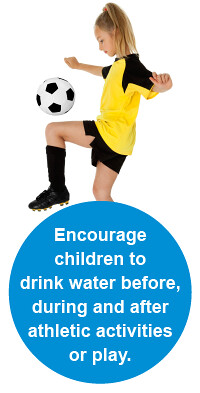
photo of child soccer player with words: remind children to drink water before, during and after athletic activities or play
Another hot one with more on the way. Many athletes young, and young at heart, still want to work out or participate in a variety of outdoor activities and sports. Please make sure you do so wisely and be informed.

Below are some important tips from our friends from Centers for Disease Control and Prevention to take into consideration before you train, workout, or compete.
  • Pace activity. Start activities slowly and pick up the pace gradually.
  • Schedule workouts or practices earlier or later in the day to avoid midday heat.
  • Drink from two to four cups of water every hour while exercising. Muscle cramping may be an early sign of heat sickness. 
  • Drink plenty of water and don’t wait until you’re thirsty to drink.
  • Avoid liquids containing large amounts of sugar.
  • Exercise with a partner or teammate.
  • STOP all activity and get to a cool environment if you feel faint or weak. 

Saturday, July 9, 2016

No Hot Cars - Look Before You Lock!

Another hot day today in our 101 Days of Summer Safety!

When temperatures rise, so does the risk of tragedy – children and pets accidentally left in hot cars. Do not leave children or pets inside a hot car even for one minute! As you can see in the graphic below, when outside temperatures are in the low 80s, the temperature inside a vehicle can reach deadly levels in only minutes even with a window rolled down two inches.

graphic shows how hot a car can get related to temps outside and time in sun

Wednesday, July 6, 2016

Heat Exhaustion and Heatstroke

Today, tomorrow and Friday are going to be HOT! With that in mind MCFRS wants to share the below information that might be helpful. Be safe out there the rest of the week!

photo of thermometer
from CDC.gov
Extreme heat brings with it the possibility of heat-induced illnesses. During the hot, humid summer weather, the body's internal temperature can rise and can result in heat exhaustion and heatstroke. If not treated quickly, heat exhaustion can progress into heat stroke, which requires immediate medical care and can be fatal.

Signs and Symptoms:

Heat Exhaustion
  • Severe thirst
  • Muscle weakness
  • Nausea, sometimes vomiting
  • Irritability
  • Headache
  • Increased sweating
  • Cool clammy skin
  • Elevation of body temperature to 105 degrees Fahrenheit
  • Weak, rapid pulse
Heat Stroke
  • Severe, throbbing headache
  • Weakness, dizziness or confusion
  • Difficulty breathing
  • Decreased responsiveness or loss of consciousness
  • Little or no sweating
  • Flush, hot, dry skin
  • Elevation of body temperature to 105 degrees Fahrenheit
What to Do:

If the person has a temperature of 105 degrees Fahrenheit or more or shows signs and symptoms of heatstroke, seek emergency medical care immediately. In cases of heat exhaustion and while waiting for help:
  1. Move the person to a cool place indoors or under the shade of a tree.
  2. Loosen clothing.
  3. Have the person lie down. Elevate feet slightly.
  4. If the person is alert, place in cool (not cold) bath water.
  5. IF the person is alert, give frequent sips of cool, clear fluids (clear juice or sports drinks are best).
  6. If the person is vomiting, turn his or her body to the side to prevent choking.
  7. Monitor the person's temperatures.
Think Prevention! Be sensible about how much you exert yourself in hot weather.
Heat Exhaustion is the result of excessive heat and dehydration. Heat Stroke is a medical emergency!

Tuesday, July 5, 2016

Get Ready: High Heat In The Forecast

Be Careful and Check on Elderly Neighbors.

After a relatively wet and cool last couple of days, it appears that summer is getting ready to heat up this week. Weather forecasters are expecting hot and humid air to move in for the next several days. High temperatures are anticipated to get back into the 90's on Wednesday with a potential heat index around 95. The days to keep a very close eye on are Thursday, Friday and Saturday as highs are projected to be in the mid to upper 90's with a heat index near 105 degrees.
graphic with signs and symptoms of heat stroke and heat exhaustion

Excessive heat is especially dangerous to the elderly, the young, those with existing medical conditions and those that work outdoors. Fire Chief Scott Goldstein is urging residents to stay cool, stay hydrated and to check on the welfare of elderly or at-risk neighbors as things "heat up" this week in the metropolitan area.

Staying hydrated is essential all year long but is particularly important when temperatures soar. During hot weather and extreme heat, keep informed by listening to local weather and news channels and take a minute to review the tips below.

1. Pre-hydrate, hydrate and re-hydrate.
During hot weather you will need to increase your fluid intake, regardless of your activity level. Drink plenty of fluids in advance, during and after activities and don’t wait until you're thirsty to hydrate.

2.  Dress for the heat.
Wear lightweight, light-colored clothing. Light colors will reflect some of the sun’s energy. Limit your direct exposure to the sun and wear a hat for extra protection.

3.  Monitor those at high risk.
Extreme heat can be hazardous to your health and although anyone can suffer from heat-related illness, some people are at greater risk than others. Those most at risk for heat-related illnesses include children, older adults, those that work or exercise outside and those with pre-existing medical conditions. Elderly or disabled residents in Montgomery County in need of a free fan can call 311 for information.

4. Children and cars - use common sense.
Never, ever leave infants, children, pets or the elderly in a parked car where temperatures can become life-threatening in minutes, even with the windows rolled down. Additionally, hot interior surfaces of a car can burn a child’s skin. Before you put your child in a car that has been parked in a warm/sunny spot, check the temperature of the car seat or upholstery first.

5. Avoid strenuous activity.
Take regular breaks when exercising or engaged in physical activity on warm days. If you recognize that you, or someone else, is showing signs of a heat-related illness, stop the activity immediately, find a cool place to rest, hydrate and seek medical attention if necessary.

6. Be a good neighbor.
Isolated, elderly adults are at a much higher risk of health-related issues. Be a good neighbor and take a minute to check in with your neighbors.

7. Remember your pets.
Hot weather can affect the well-being of pets making them susceptible to overheating which can lead to very dangerous heat stroke. Always provide a source of water and a cool, ventilated place for your pet. Leaving your pet inside a parked car, even for a few minutes, can be fatal. The inside of a car can reach 120 degrees in a matter of minutes.

8. Stay indoors, if possible.
Stay indoors and, if possible, in an air-conditioned place. If your home does not have air conditioning, consider going to the shopping mall, community center or public library. Even a few hours spent in air conditioning can help your body stay cooler when you return to the heat.

Tuesday, June 23, 2015

Heat Exhaustion and Heatstroke

Today is going to be a HOT one!  With that in mind I thought the below information might be helpful.  Be safe out there today!
Extreme heat brings with it the possibility of heat-induced illnesses. During the hot, humid summer weather, the body's internal temperature can rise and can result in heat exhaustion and heatstroke. If not treated quickly, heat exhaustion can progress into heat stroke, which requires immediate medical care and can be fatal.

Signs and Symptoms:

Heat Exhaustion

  • Severe thirst
  • Muscle weakness
  • Nausea, sometimes vomiting
  • Irritability
  • Headache
  • Increased sweating
  • Cool clammy skin
  • Elevation of body temperature to 105 degrees Fahrenheit
  • Weak, rapid pulse

Heat Stroke

  • Severe, throbbing headache
  • Weakness, dizziness or confusion
  • Difficulty breathing
  • Decreased responsiveness or loss of consciousness
  • Little or no sweating
  • Flush, hot, dry skin
  • Elevation of body temperature to 105 degrees Fahrenheit

What to Do:

If the person has a temperature of 105 degrees Fahrenheit or more or shows signs and symptoms of heatstroke, seek emergency medical care immediately. In cases of heat exhaustion and while waiting for help:
  1. Move the person to a cool place indoors or under the shade of a tree.
  2. Loosen clothing.
  3. Have the person lie down. Elevate feet slightly.
  4. If the person is alert, place in cool (not cold) bath water.
  5. IF the person is alert, give frequent sips of cool, clear fluids (clear juice or sports drinks are best).
  6. If the person is vomiting, turn his or her body to the side to prevent choking.
  7. Monitor the person's temperatures.
Think Prevention! Be sensible about how much you exert yourself in hot weather.
  • Drink plenty of fluids- do not wait until you are thirsty.
  • Avoid exertion in the hottest weather.
  • Wear light-colored, loose clothing.
Heat Exhaustion is the result of excessive heat and dehydration. Heat Stroke is a medical emergency!

Thursday, July 31, 2014

Heatstroke: Could it Happen to Your Child?

Today is National Heatstroke Prevention Day. Please take a moment to view the video below from our partners in safety SafeKids.

Wednesday, July 23, 2014

Fire Chief Lohr Cautions Parents on Dangers of Hot Cars in Summer

A friendly reminder from Chief Lohr on the dangers of hot cars that fits right in with this week's Summer of Safety program theme: Child Passenger Safety.

Wednesday, July 2, 2014

Heat Exhaustion and Heatstroke

Extreme heat brings with it the possibility of heat-induced illnesses. During the hot, humid summer weather, the body's internal temperature can rise and can result in heat exhaustion and heatstroke. If not treated quickly, heat exhaustion can progress into heatstroke, which requires immediate medical care and can be fatal.

Signs and Symptoms:

Heat Exhaustion

  • Severe thirst
  • Muscle weakness
  • Nausea, sometimes vomiting
  • Irritability
  • Headache
  • Increased sweating
  • Cool clammy skin
  • Elevation of body temperature to 105 degrees Fahrenheit
  • Weak, rapid pulse

Heatstroke

  • Severe, throbbing headache
  • Weakness, dizziness or confusion
  • Difficulty breathing
  • Decreased responsiveness or loss of consciousness
  • Little or no sweating
  • Flush, hot, dry skin
  • Elevation of body temperature to 105 degrees Fahrenheit

What to Do:

If the person has a temperature of 105 degrees Fahrenheit or more or shows signs and symptoms of heatstroke, seek emergency medical care immediately. In cases of heat exhaustion and while waiting for help:
  1. Move the person to a cool place indoors or under the shade of a tree.
  2. Loosen clothing.
  3. Have the person lie down. Elevate feet slightly.
  4. If the person is alert, place in cool (not cold) bath water.
  5. IF the person is alert, give frequent sips of cool, clear fluids (clear juice or sports drinks are best).
  6. If the person is vomiting, turn his or her body to the side to prevent choking.
  7. Monitor the person's temperatures.
Think Prevention! Be sensible about how much you exert yourself in hot weather.
  • Drink plenty of fluids- do not wait until you are thirsty.
  • Avoid exertion in the hottest weather.
  • Wear light-colored, loose clothing.
Heat Exhaustion is the result of excessive heat and dehydration. Heatstroke is a medical emergency!

Wednesday, July 31, 2013

National Heatstroke Prevention Day: Don’t Leave Children Alone in Hot Cars!

Today is National Heatstroke Prevention Day!  Sadly there have been 24 deaths so far in the US this year--we are ahead of last year at this time!  Today our partners in safety, Safe Kids, will be posting on Facebook and tweet every hour on the hour from 10 a.m. to 5 p.m. various safety messages.  Safe Kids will be using the hash tag #heatstroke on all its social media posts and asks you to do the same.  We will be tweeting as well on our Twitter feed @mcfrs.

Below, please find some helpful tips from SafeKids as well as a video highlighting the danger.  Please spread the word!  BD

• July 31 is “National Heatstroke Prevention Day,” a day-long social media campaign created to raise awareness about the dangers of leaving children alone in hot cars. 
• So far in 2013 there have been at least 24 deaths of children unattended in vehicles.
• These tragedies happened in 15 different states from Texas and Florida to Idaho and Minnesota.
• They happened in temperatures as hot as 100 degrees and as mild as 76 degrees.
• Safe Kids is working with NHTSA and the GM Foundation to ask all our partners to help us raise awareness about the dangers of leaving children alone in cars.
From SafeKids.org
• Safe Kids is going to post on Facebook and tweet every hour on the hour from 10 a.m. to 5 p.m. Safe Kids will be using the hash tag #heatstroke on all its social media posts and asks you to do the same. Our twitter handle is @safekidsusa if you want to retweet.
• We’re asking everyone to get involved by using your social media outlets and posting as many times as you can throughout the day to keep the conversation going.
• We have sample posts and tweets for you at Safekids.org.

The Issue
• Heatstroke is the leading cause of non-crash, vehicle-related deaths for children.
• It occurs when the body isn’t able to cool itself quickly enough and the body temperature rises to dangerous levels.
• Young children are particularly at risk as their body heats up three to five times faster than an adult’s.
• When a child’s internal temperature gets to 104 degrees, major organs begin to shut down. And when that child’s temperature reaches 107 degrees, the child can die.
• Because of this, and because cars heat up so quickly – 19 degrees in 10 minutes – tragedies can happen faster than you think.
• Symptoms can quickly progress from flushed, dry skin and vomiting to seizures, organ failure and death.

Key Stats
• Since 1998, at least 585 children across the United States have died from heatstroke when unattended in a vehicle.
• That’s one child every 10 days.
• Happens in three ways:
            •52% - child “forgotten" by caregiver
            •29% - child playing in unattended vehicle
            •18% - child intentionally left in vehicle by adult
• In 2010, 49 children died from heatstroke. In 2012, one of the hottest years on record, 33 children died.  
• Heatstroke deaths have been recorded in 11 months of the year in nearly all 50 states.

Top Safety Tips
•          Heatstroke can happen anytime. Anywhere.
o          And it’s also completely preventable. 
•          We don’t want to see this happen to any family.


Safe Kids is working with great partners like NHTSA and the GM Foundation to remind parents and caregivers to ACT.

A: Avoid heatstroke-related injury and death by never leaving your child alone in a car, not even for a minute. And make sure to keep your car locked when you’re not in it so kids don’t get in on their own. 

C: Create reminders by putting something in the back of your car next to your child such as a briefcase, a purse or a cell phone that is needed at your final destination. This is especially important if you’re not following your normal routine.

T: Take action. If you see a child alone in a car, call 911. Emergency personnel want you to call. They are trained to respond to these situations. One call could save a life.

Monday, July 15, 2013

Heat Exhaustion and Heatstroke

Extreme heat brings with it the possibility of heat-induced illnesses. During the hot, humid summer weather, the body's internal temperature can rise and can result in heat exhaustion and heatstroke. If not treated quickly, heat exhaustion can progress into heatstroke, which requires immediate medical care and can be fatal.

Signs and Symptoms:

Heat Exhaustion

  • Severe thirst
  • Muscle weakness
  • Nausea, sometimes vomiting
  • Irritability
  • Headache
  • Increased sweating
  • Cool clammy skin
  • Elevation of body temperature to 105 degrees Fahrenheit
  • Weak, rapid pulse

Heatstroke

  • Severe, throbbing headache
  • Weakness, dizziness or confusion
  • Difficulty breathing
  • Decreased responsiveness or loss of consciousness
  • Little or no sweating
  • Flush, hot, dry skin
  • Elevation of body temperature to 105 degrees Fahrenheit

What to Do:

If the person has a temperature of 105 degrees Farenheit or more or shows signs and symptoms of heatstroke, seek emergency medical care immediately. In cases of heat exhaustion and while waiting for help:
  1. Move the person to a cool place indoors or under the shade of a tree.
  2. Loosen clothing.
  3. Have the person lie down. Elevate feet slightly.
  4. If the person is alert, place in cool (not cold) bath water.
  5. IF the person is alert, give frequent sips of cool, clear fluids (clear juice or sports drinks are best).
  6. If the person is vomiting, turn his or her body to the side to prevent choking.
  7. Monitor the person's temperatures.
Think Prevention! Be sensible about how much you exert yourself in hot weather.
  • Drink plenty of fluids- do not wait until you are thirsty.
  • Avoid exertion in the hottest weather.
  • Wear light-colored, loose clothing.
Heat Exhaustion is the result of excessive heat and dehydration. Heatstroke is a medical emergency!

Tuesday, July 9, 2013

Look Before You Lock! Heatwave Can Be Especially Dangerous For Children

When temperatures rise, so does the risk of an unimaginable tragedy – children accidentally left in hot cars. Nationally, the number of children who have died in cars as a result of the heat has already DOUBLED compared to the same time last year. Montgomery County Fire and Rescue is teaming up with Safe Kids Worldwide to prevent child deaths and injuries in hot cars.
 
When outside temperatures are in the low 80s, the temperature inside a vehicle can reach deadly levels in only minutes even with a window rolled down two inches. With sustained and record-breaking temperatures predicted in the region, families are reminded that one of the greatest dangers is leaving a child in a car unattended on a hot day. Children’s bodies do not acclimate to the heat as well as adults and can overheat easily. Infants and children under four years old are at the greatest risk for heat-related illness.

Hard Facts

Heatstroke is the leading cause of non-crash, vehicle-related deaths for children. On average, every 10 days a child dies from heatstroke in a vehicle. Children can also sustain injuries from hot cars that include permanent brain injury, blindness and loss of hearing. Heatstroke tragedies often occur when there has been a change in a family’s daily routine, a parent leaves a child in the car “for just a minute” unaware how quickly the temperature in a car can rise to dangerous levels or after a child gets into an unlocked vehicle to play unbeknownst to the parent or caregiver.

Top Tips
These tragedies are preventable. Avert and reduce the number of deaths from heatstroke by remembering to ACT:
A: Avoid heatstroke-related injury and death by never leaving your child unattended in a car, not even for a minute. Make a habit of looking in the vehicle – front and back – and keep keys stored out of a child’s reach and car doors locked when the vehicle is not in use to prevent children from getting in on their own.  
C: Create reminders by putting something in the back of your car next to your child such as a briefcase, a purse or a cell phone that is needed at your final destination. This is especially important if you’re not following your normal routine. 
T: Take action. If you see a child alone in a car, call 911. Emergency personnel want you to call. They are trained to respond to these situations. One call could save a life.

Thursday, July 26, 2012

Signs and Symptoms of Heat Exhaustion and Heat Stroke


Another scorcher today!  Over the last couple of weeks, we at MCFRS have preached to everyone to stay cool and stay hydrated.  Hopefully, everyone will be able to do that.

Just in case, I thought it would be useful to post the signs and symptoms of Heat Exhaustion and Heat Stroke.  Warning signs can vary among individuals but common signs of heat exhaustion or heat stroke may include: 

Heat Exhaustion: 
  • Heavy sweating
  • Muscle cramps
  • Pulse rate: fast and weak
  • Breathing: fast and shallow
  • Nausea or vomiting
  • Fatigue
  • Weakness
  • Headache and/or dizziness 

Heat Stroke:
  • An extremely high body temperature (above 103 degrees)
  • The absence of sweating
  • Rapid pulse 
  • Difficulty breathing 
  • Throbbing headache
  • Strange behavior and/or hallucinations
  • Confusion, agitation and disorientation
  • Unconscious                             

If you recognize that you, or someone else, are showing signs of a heat-related illness, stop the activity immediately, find a cool place to rest, hydrate and seek medical attention if necessary.

Remember, Heat Stroke is a MEDICAL EMERGENCY that can be fatal if not treated promptly.  Call 911 right away if you suspect Heat Stroke.

Wednesday, July 18, 2012

Tips on Surviving the Heat and Signs and Symptoms of Heat Exhaustion/Stroke

Today is going to be another sizzling day in the metropolitan area with sustained, high temperatures and heat index making it especially dangerous for the those at greatest risk including the elderly, the young, those with existing medical conditions and those that work outdoors. 

While staying hydrated is essential all year long, it is particularly important when temperatures soar. Fire Chief Richard Bowers is urging residents to to stay cool, stay hydrated and to check on the welfare of elderly or at-risk neighbors. “Summer heat waves can be dangerous and even short periods of high temperatures cause serious health problems.Whether on the sports field or the construction site, folks need to take action to prevent heat-related illness.”

During hot weather and extreme heat this summer, keep informed by listening to local weather and news channels, use common sense and take a minute to review the tips below.

1. Pre-hydrate, hydrate and re-hydrate. During hot weather you will need to increase your fluid intake, regardless of your activity level. Drink plenty of fluids in advance, during and after activities and don’t wait until you're thirsty to hydrate.  Warning: If your doctor generally limits the amount of fluids you drink or has prescribed water pills, ask how much you should drink when the weather is hot. 

2.  Dress for the heat. Wear lightweight, light-colored clothing. Light colors will reflect some of the sun’s energy.Limit your direct exposure to the sun and wear a hat for extra protection.

3.  Monitor those at high risk.
Extreme heat can be hazardous to your health and although anyone can suffer from heat-related illness, some people are at greater risk than others. Those most at risk for heat-related illnesses include children, older adults, those that work or exercise outside and those with pre-existing medical conditions. Elderly, low income or individuals with disabilities in Montgomery County in need of a fan can call 240-777-3000 for information on free fans.

4. Children and cars - use common sense.
Never leave infants, children, pets or the elderly in a parked car where temperatures can become life-threatening in minutes, even with the windows rolled down. Additionally, hot interior surfaces of a car can burn a child’s skin. Before you put your child in a car that has been parked in a warm/sunny spot, check the temperature of the carseat or upholstery first.

5. Avoid strenuous activity.
When possible, strenuous activities should be reduced, eliminated or rescheduled to the coolest part of the day. Take regular breaks when exercising or engaged in physical activity on warm days. If you recognize that you, or someone else, is showing signs of a heat-related illness, stop the activity immediately, find a cool place to rest, hydrate and seek medical attention if necessary.

Remember, heat stroke is a MEDICAL EMERGENCY that can be fatal if not treated promptly. The American Red Cross advises that warning signs can vary among individuals but common signs of heat exhaustion or heat stroke may include:  

Heat Exhaustion:

      -  
Heavy sweating
      -  Muscle cramps
      -  Pulse rate: fast and weak
      -  Breathing: fast and shallow
      -  Nausea or vomiting
      -  Fatigue
      -  Weakness
      -  Headache and/or dizziness

Heat Stroke:
-  An extremely high body temperature (above 103 degrees)
-  The absence of sweating
-  Rapid pulse
-  Difficulty breathing
-  Throbbing headache
-  Strange behavior and/or hallucinations
-  Confusion, agitation and disorientation
-  Unconscious

6. Be a good neighbor.
Isolated, elderly adults are at a much higher risk of health-related issues. Be a good neighbor and take a minute to check in with your neighbors.

7. Remember your pets. Hot weather can affect the well-being of pets making them susceptible to overheating which can lead to very dangerous heat stroke. Always provide a source of water and a cool, ventilated  place for your pet. Leaving your pet inside a parked car, even for a few minutes, can be fatal. The inside of a car can reach 120 degrees in a matter of minutes.

8. Stay indoors, if possible.  Stay indoors and, if possible, in an air-conditioned place. If your home does not have air conditioning, consider going to the shopping mall, community center or public library. Even a few hours spent in air conditioning can help your body stay cooler when you return to the heat. 

Saturday, July 7, 2012

Signs and Symptoms of Heat Exhaustion and Heat Stroke

Another scorcher today!  Over the last couple of weeks, we at MCFRS have preached to everyone to stay cool and stay hydrated.  Hopefully, everyone will be able to do that.


Just in case, I thought it would be useful to post the signs and symptoms of Heat Exhaustion and Heat Stroke.  Warning signs can vary among individuals but common signs of heat exhaustion or heat stroke may include: 


Heat Exhaustion:
  • Heavy sweating
  • Muscle cramps
  • Pulse rate: fast and weak
  • Breathing: fast and shallow
  • Nausea or vomiting
  • Fatigue
  • Weakness
  • Headache and/or dizziness 
Heat Stroke:
  • An extremely high body temperature (above 103 degrees)
  • The absence of sweating
  • Rapid pulse 
  • Difficulty breathing 
  • Throbbing headache
  • Strange behavior and/or hallucinations
  • Confusion, agitation and disorientation
  • Unconscious                             

If you recognize that you, or someone else, is showing signs of a heat-related illness, stop the activity immediately, find a cool place to rest, hydrate and seek medical attention if necessary.


Remember, Heat Stroke is a MEDICAL EMERGENCY that can be fatal if not treated promptly.  Call 911 right away if you suspect Heat Stroke.

Tuesday, June 19, 2012

Summer’s First Heat Wave Coming – Be Ready


IMMEDIATE RELEASE:  June 20, 2012

Fire Officials Urge Residents to be Careful and Check on Elderly Neighbors    

Rockville - - - The first day of summer is going to be sizzling in the metropolitan area with sustained, high temperatures predicted through the week making it especially dangerous for the those at greatest risk including the elderly, the young, those with existing medical conditions and those that work outdoors.

alert mapWhile staying hydrated is essential all year long, it is particularly important when temperatures soar. Fire Chief Richard Bowers is urging residents to to stay cool, stay hydrated and to check on the welfare of elderly or at-risk neighbors. “Summer heat waves can be dangerous and even short periods of high temperatures cause serious health problems.Whether on the sports field or the construction site, folks need to take action to prevent heat-related illness.”

During hot weather and extreme heat this summer, keep informed by listening to local weather and news channels, use common sense and take a minute to review the tips below.

1. Pre-hydrate, hydrate and re-hydrate.
During hot weather you will need to increase your fluid intake, regardless of your activity level. Drink plenty of fluids in advance, during and after activities and don’t wait until you're thirsty to hydrate.  Warning: If your doctor generally limits the amount of fluids you drink or has prescribed water pills, ask how much you should drink when the weather is hot.

2.  Dress for the heat.
Wear lightweight, light-colored clothing. Light colors will reflect some of the sun’s energy. Limit your direct exposure to the sun and wear a hat for extra protection.

3.  Monitor those at high risk.
Extreme heat can be hazardous to your health and although anyone can suffer from heat-related illness, some people are at greater risk than others. Those most at risk for heat-related illnesses include children, older adults, those that work or exercise outside and those with pre-existing medical conditions. Elderly, low income or individuals with disabilities in Montgomery County in need of a fan can call 240-777-3000 for information on free fans.  

4. Children and cars - use common sense.
Never leave infants, children, pets or the elderly in a parked car where temperatures can become life-threatening in minutes, even with the windows rolled down. Additionally, hot interior surfaces of a car can burn a child’s skin. Before you put your child in a car that has been parked in a warm/sunny spot, check the temperature of the carseat or upholstery first.

5. Avoid strenuous activity.
When possible, strenuous activities should be reduced, eliminated or rescheduled to the coolest part of the day. Take regular breaks when exercising or engaged in physical activity on warm days. If you recognize that you, or someone else, is showing signs of a heat-related illness, stop the activity immediately, find a cool place to rest, hydrate and seek medical attention if necessary.

Remember, heat stroke is a MEDICAL EMERGENCY that can be fatal if not treated promptly. The American Red Cross advises that warning signs can vary among individuals but common signs of heat exhaustion or heat stroke may include:  
Heat Exhaustion:

      - 
Heavy sweating
      -  Muscle cramps
      -  Pulse rate: fast and weak
      -  Breathing: fast and shallow
      -  Nausea or vomiting
      -  Fatigue
      -  Weakness
      -  Headache and/or dizziness
Heat Stroke:
-  An extremely high body temperature (above 103 degrees)
-  The absence of sweating
-  Rapid pulse
-  Difficulty breathing
-  Throbbing headache
-  Strange behavior and/or hallucinations
-  Confusion, agitation and disorientation
-  Unconscious                             
6. Be a good neighbor.
Isolated, elderly adults are at a much higher risk of health-related issues. Be a good neighbor and take a minute to check in with your neighbors.

7. Remember your pets.
Hot weather can affect the well-being of pets making them susceptible to overheating which can lead to very dangerous heat stroke. Always provide a source of water and a cool, ventilated  place for your pet. Leaving your pet inside a parked car, even for a few minutes, can be fatal. The inside of a car can reach 120 degrees in a matter of minutes.

8. Stay indoors, if possible.  
Stay indoors and, if possible, in an air-conditioned place. If your home does not have air conditioning, consider going to the shopping mall, community center or public library. Even a few hours spent in air conditioning can help your body stay cooler when you return to the heat. 

Friday, July 29, 2011

Cool Safety Tips

Looks like the heat is on – again! I hope that everyone is able to stay cool, and safe, today!

With the thought of cool and safety in mind, I thought I would combine the two and provide all of you some cool safety tips. These are not all related to heat – though one is.

I hope you can take a moment and click on the below links so that you can be made aware of some safety recalls of products you might be using:

1. Fisher-Price Recalls to Repair Little People Builders' Load 'n Go Wagons due to Laceration Hazard

2. Strollers Recalled by phil&teds USA Due to Risk of Injury from Brake Failure

3. Honeywell Recalls Electric Baseboard and Fan Heater Thermostats Due to Burn Hazard

Of course what anticipated 100 degree, up to 105 degree plus heat index, day would not be complete with out some tips to stay COOL in this hot weather? The below also goes over the signs and symptoms of heat exhaustion and heat stroke:

Cool Tips for Hot Weather

As always – BE SAFE! Hope everyone has a great Friday and even better weekend!

Stay Safe,
Bill