MCFRS Safety Officer Pete Corte reminds us to Be Aware, Be Informed & Be Prepared in Cold & by ALL Means STAY WARM pic.twitter.com/oS8ZV6XMqO— Pete Piringer (@mcfrsPIO) February 14, 2016

Showing posts with label polar vortex. Show all posts
Showing posts with label polar vortex. Show all posts
Sunday, February 14, 2016
Be Aware, Be Informed and Be Prepared
MCFRS Safety Officer Captain Pete Corte reminds us to Be Aware, Be Informed and Be Prepared in the Cold and by ALL Means STAY WARM!


Friday, March 6, 2015
Frostbite
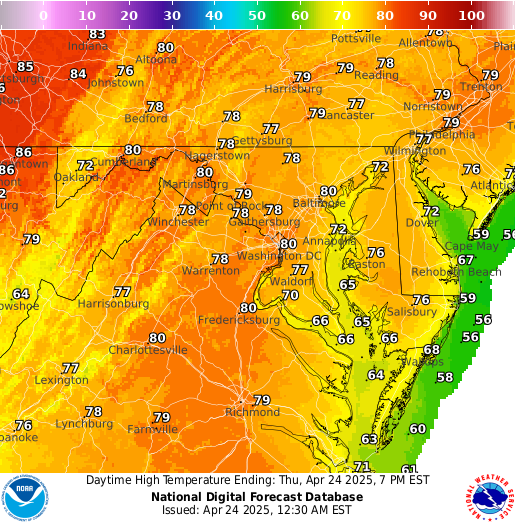
Many kids will want to be outside today to play in the snow. It will be a cold day - especially during the morning hours. This will increase the chances of young, and older, experiencing frostbite if folks are not careful.
With that in mind, Acting Fire Chief Scott Goldstein wants every one to enjoy the day in a safe way. Exposure to cold without adequate protection can result in frostbite. Parents can protect their children by following these precautions:
- Dress children warmly. Several thin layers will help keep children dry as well as warm. Clothing should consist of thermal long johns, turtlenecks, one or two shirts, pants, sweater, coat, warm socks, boots, gloves or mittens, and a hat.
- Set reasonable time limits on outdoor play. Call children in periodically to warm up with drinks such as hot chocolate.
- When possible, avoid taking infants outdoors when it is colder than 40 degrees Fahrenheit. Infants lose body heat quickly.
If a child complains of numbness or pain in the fingers, toes, nose, cheeks or ears while playing in the snow, or if his skin is blistered, hard to the touch or glossy, be alerted to the possibility of frostbite and take the following steps:
- Take the child indoors.
- Call a doctor.
- Tell the child to wiggle the affected body part(s) to increase blood supply to that area.
- Warm the frozen part(s) against the body. Hold fingers to the chest, for example.
- Immerse frozen part(s) in warm, not hot, water. Frozen tissue is fragile and can be damaged easily. Avoid warming with high heat from radiators, fireplaces or stoves, and avoid rubbing or breaking blisters.
Friday, February 20, 2015
Frostbite
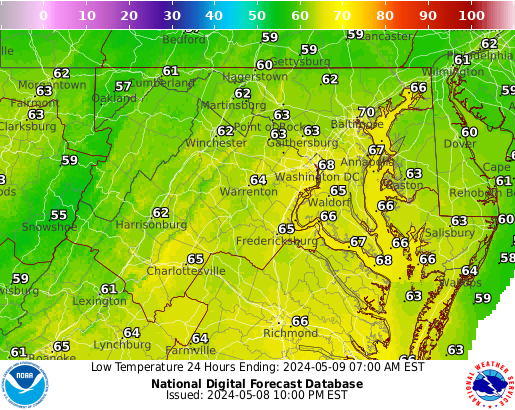
Exposure to cold without adequate protection can result in frostbite. Parents can protect their children by following these precautions:
- Dress children warmly. Several thin layers will help keep children dry as well as warm. Clothing should consist of thermal long johns, turtlenecks, one or two shirts, pants, sweater, coat, warm socks, boots, gloves or mittens, and a hat.
- Set reasonable time limits on outdoor play. Call children in periodically to warm up with drinks such as hot chocolate.
- When possible, avoid taking infants outdoors when it is colder than 40 degrees Fahrenheit. Infants lose body heat quickly.
If a child complains of numbness or pain in the fingers, toes, nose, cheeks or ears while playing in the snow, or if his skin is blistered, hard to the touch or glossy, be alerted to the possibility of frostbite and take the following steps:
- Take the child indoors.
- Call a doctor.
- Tell the child to wiggle the affected body part(s) to increase blood supply to that area.
- Warm the frozen part(s) against the body. Hold fingers to the chest, for example.
- Immerse frozen part(s) in warm, not hot, water. Frozen tissue is fragile and can be damaged easily. Avoid warming with high heat from radiators, fireplaces or stoves, and avoid rubbing or breaking blisters.
Wednesday, January 7, 2015
Fireplace and Wood Burning Safety
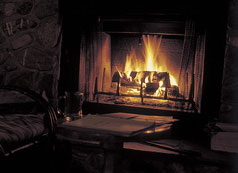 Just when we thought it could not get any colder -- it will! No doubt many of you are firing up the wood burning stove or fireplace in your home. Each year, we continue to run too many fires as a result of improperly discarded fireplace and wood stove ashes!
 Please take a moment to review the below related safety tips to help make sure you enjoy your fireplace or wood burning stove safely.
Fireplace and wood-stove ashes retain enough heat to ignite other combustible materials for several days after a fire. It is important to learn the following ways to dispose of fireplace and wood-stove ashes properly:
- DO NOT discard your ashes into any combustible container like a paper or plastic bag, a cardboard box, or a plastic trash can.
- DO put ashes into a non-combustible metal container with a lid.
- DO pour water into the container to make sure the ashes are cool.
- DO keep your can OUTSIDE the home, away from combustibles.
- DO teach all family members to be safe with ashes from your fireplace or wood stove.
As always, please make sure you test your smoke alarms monthly and replace batteries twice a year. Practice and plan a family home escape plan.
Wednesday, November 12, 2014
Fire/Carbon Monoxide Risks During Cold Weather
Cold temperatures may prompt families to turn to drastic measures to heat their homes. Even traditional alternative heating sources, such as a fireplace or space heaters can be dangerous if not used properly. As temperatures drop in your community, some simple tips can help keep families safer.
Winter months in particular are the peak time for house fires and carbon monoxide poisonings, with most incidents due to improperly ventilated or malfunctioning heating sources. Families can better protect themselves by having working smoke alarms and carbon monoxide alarms on every level of the home and in sleeping areas. In addition, the Montgomery County Fire and Rescue Service and experts at Kidde recommend the following heating safety tips:Carbon Monoxide Prevention
- Do not use ovens or stoves to heat your home.
- Do not use charcoal or gas grills inside or operate outdoors near a window where CO fumes could seep in through a window.
- Keep chimneys clear of animal nests, leaves and residue to ensure proper venting. Have all fireplaces cleaned and inspected by a licensed professional annually.
- Have a licensed professional inspect heating systems and other fuel-burning appliances annually.
- Have qualified professionals install fuel-burning appliances and operate according to the manufacturer's instructions.
- Do not use unvented gas or kerosene space heaters in enclosed spaces. Keep doors open to the rest of the house to help promote proper ventilation.
- Open the fireplace damper before lighting a fire, and keep it open until the ashes are cool to avert the buildup of carbon monoxide, especially at night while families sleep.
- Do not run a fuel-powered engine, such as a vehicle or generator, inside the home or in an attached garage or carport. CO fumes can seep into the home through air intake valves, baseboards, doors and windows.
Fire Prevention
- Ensure that space heaters meet the latest safety standards, which would include having an automatic cut-off device and protective guarding around the heating coils and burners.
- Place space heaters on a level, hard and nonflammable surface, and keep them at least three feet away from bedding, drapes, furniture and other flammable materials.
- Turn off space heaters when you leave the room or before going to sleep. Keep children and pets away.
- Never use gasoline, charcoal lighter or other fuel to light or relight a fire because the vapors could explode. Keep all flammable materials away.
Subscribe to:
Posts (Atom)